طاقات عربية | حلول هندسية ذكية Taqat Arabiya

Author name: Taqaton_

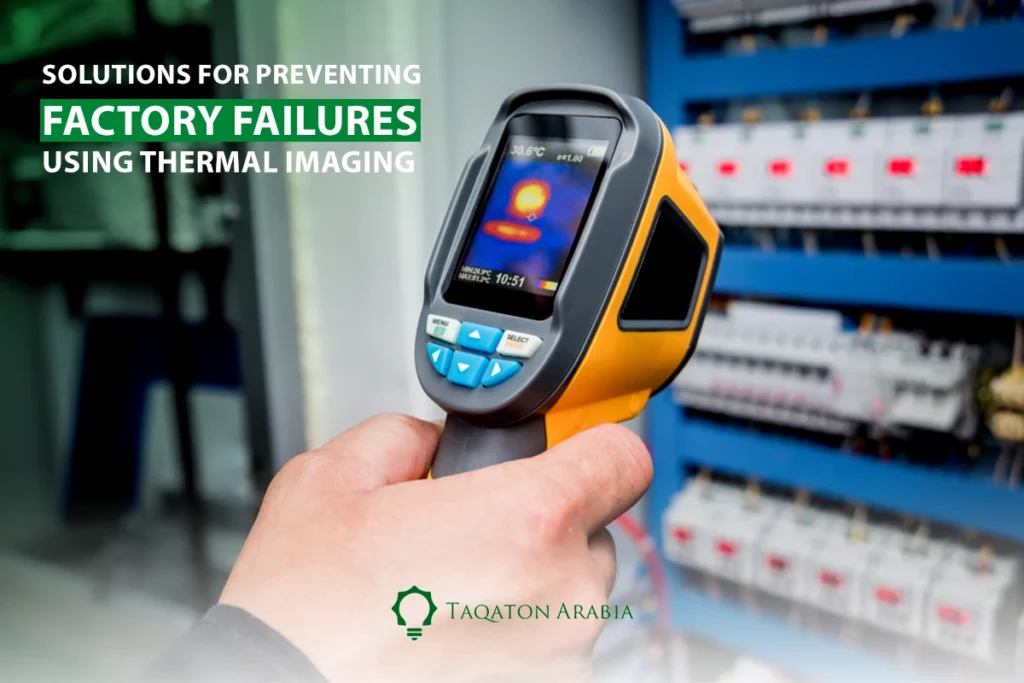
Solutions for Preventing Factory Failures Using Thermal Imaging
Compressed Air Leak Detection

How Can You Detect Compressed Air Leaks with Taqat Arabiya?

 providing the energy required to operate machinery and tools. With continuous operation, air leaks may occur, leading to reduced system efficiency and increased energy consumption. For this reason, relying on specialized companies such as Taqat Arabiya has become essential for accurate and effective Compressed Air Leak Detection. Using advanced air leak detection methods and modern air leak detection equipment, including a professional compressed air leak detector, leaks can be identified early and addressed before they result in higher operational costs or system downtime How Can You Detect Compressed Air Leaks? Compressed air leaks can be identified using several effective approaches. One common technique is applying a soap-and-water solution to pipes and connections to observe bubbles that indicate leakage. Another method involves listening for hissing or whistling sounds caused by escaping air from fittings or valves For higher accuracy and faster results, many facilities rely on advanced air leak detection equipment, such as a professional compressed air leak detector. These modern air leak detection methods support efficient Compressed Air Leak Detection, helping reduce energy loss and improve system performance. How Do You Test for a Leak in an Air Compressor? “Air leak detection methods”  To accurately locate leaks within a compressed air system, a structured inspection process should be followed. Start by shutting down all connected equipment to eliminate background noise during testing. Next, inspect joints and valves using a soap solution or acoustic tools designed for Compressed Air Leak Detection. Monitoring pressure drops in the air receiver tank is another effective way to identify ongoing leaks. All detected leak points should be documented and prioritized for immediate repair to reduce energy loss and improve overall system efficiency. Advanced air leak detection methods, supported by professional air leak detection equipment and a reliable compressed air leak detector, help ensure precise results—especially when inspections are performed by experts like Taqat Arabiya. Order the service now from Taqat Arabia website Why Is Early Detection of Air Leaks Extremely Important? Early Compressed Air Leak Detection plays a key role in improving operational efficiency across industrial systems. It helps reduce energy consumption and lower operating costs, while maintaining equipment performance and minimizing failures caused by pressure loss. In addition, identifying air leaks at an early stage supports environmental sustainability by preventing unnecessary energy waste and extends the service life of compressed air systems. By applying advanced air leak detection methods and using modern air leak detection equipment, including a precise compressed air leak detector, companies like Taqat Arabiya deliver reliable and cost-effective solutions. Where Can Leaks Occur in Compressed Air Systems? Compressed air leaks most commonly occur at critical system points, including pipe and valve connections, worn or damaged hoses and pipelines, compressors, and air receivers. Areas exposed to continuous high pressure are also more prone to leakage over time. Taqat Arabiya ensures thorough inspection of all these locations using advanced Compressed Air Leak Detection techniques. By applying proven air leak detection methods and specialized air leak detection equipment, including a reliable compressed air leak detector, the company delivers accurate assessments and effective solutions for compressed air systems Also Read: What is Preventive Maintenance? Why Is Taqat Arabia the Best Company for Compressed Air Leak Detection Services? Taqat Arabiya is one of the leading companies in the region specializing in Compressed Air Leak Detection, distinguished by its expertise and advanced technical capabilities. The company relies on a highly trained team skilled in the latest air leak detection methods, ensuring accurate and efficient inspections. By using modern and precise air leak detection equipment, including advanced compressed air leak detectors, Taqat Arabiya identifies leak locations quickly and delivers practical, fast solutions to minimize energy loss. The company also maintains strict adherence to safety and quality standards across all inspection and maintenance operations. How to Perform a Compressed Air Test with Taqaton Arabia The Compressed Air Leak Detection process with Taqat Arabiya follows a structured and professional approach to ensure accurate results. It begins with a comprehensive inspection of all system pipelines and connected equipment. Advanced air leak detection equipment is then used to identify even the smallest leaks that traditional methods may miss. All findings are carefully documented, and a detailed report is provided with clear repair recommendations. Based on the results, practical solutions are proposed to enhance system efficiency, reduce air loss, and optimize overall performance using proven air leak detection methods and a reliable compressed air leak detector. Also Read: What is predictive maintenance (PdM) ?  Order the service now from Taqat Arabia website What Device Detects Air Leaks in the Home? There are compact and easy-to-use devices designed for detecting air leaks in residential settings. These tools include acoustic and visual leak sensors that help identify areas of air loss with high efficiency. Such air leak detection equipment supports accurate Compressed Air Leak Detection by pinpointing leaks quickly, even in hard-to-reach areas, using modern air leak detection methods. What Is the PosiTest Air Leak Detection Device? The PosiTest device is an advanced tool used for precise Compressed Air Leak Detection in both industrial systems and residential settings. It excels at pinpointing leak locations and measuring the volume of escaping air, enabling technicians to take corrective actions quickly and effectively. Using such specialized air leak detection equipment enhances accuracy and efficiency, making modern air leak detection methods more reliable, as applied by experts like Taqat Arabiya. Other Services Provided by Taqat Arabia for Intelligent Engineering Solutions: Taqat Arabiya doesn’t only specialize in Compressed Air Leak Detection, but also provides a complete suite of smart engineering solutions designed to enhance operational efficiency, improve reliability, and reduce operating costs. These services include: 1- Smart Maintenance and Condition Monitoring  Predictive Maintenance to detect potential failures before they occur. Preventive Maintenance to ensure continuous high-efficiency operation. Condition Monitoring for ongoing equipment performance tracking. Thermal Imaging & Thermography to quickly identify thermal faults. Ultrasonic Testing for early detection of system issues. Compressed Air Leak Detection using advanced air leak detection equipment and professional compressed air leak detectors. Partial discharge detection and

what are ASHRAE Level 1, 2 & 3 Energy Audits
ASHRAE Energy Audits

what are ASHRAE Level 1, 2 & 3 Energy Audits ?

what are ASHRAE Level 1, 2 & 3 Energy Audits ? Energy efficiency has become a critical focus for commercial and industrial buildings worldwide. Conducting an energy audit is the first step toward identifying opportunities to reduce energy consumption, lower operational costs, and enhance sustainability. ASHRAE (American Society of Heating, Refrigerating and Air-Conditioning Engineers) has established standardized procedures for energy audits, categorized into three distinct levels: Level 1, Level 2, and Level 3. Each level provides a progressively detailed analysis of a building’s energy performance, helping facility managers and owners make informed decisions to optimize energy use. In this article, we will explore ASHRAE Level 1, 2, and 3 energy audits, their procedures, and how they contribute to energy efficiency initiatives. What is a Commercial Energy Audit? A commercial energy audit is a systematic inspection and analysis of a building’s energy use, aimed at identifying opportunities to improve efficiency and reduce costs. It examines various energy-consuming systems, including heating, ventilation, air conditioning (HVAC), lighting, and other equipment. The audit evaluates how energy is being used and highlights areas where savings can be achieved without compromising comfort or performance. By understanding energy consumption patterns, building owners and facility managers can implement effective strategies to optimize energy use, lower utility bills, and support sustainability goals. Technical Standards & Codes: ASHRAE Standard 211 → energy audit procedures ISO 50002 → energy audits standard ISO 50001 → energy management systems Order the service now from Taqat Arabia website What are ASHRAE Level 1, 2 & 3 Energy Audits ? ASHRAE is the globally recognized standard for classifying and conducting energy audits. This standard defines different levels of energy audits, which vary in terms of analysis depth, amount of data required, and the expected accuracy of results. The purpose of this classification is to help organizations choose the most appropriate audit level based on the nature of the facility, its energy consumption, and the objectives of the audit process. ASHRAE energy audits are divided into three main levels: Level 1 Energy Audit Also known as a preliminary or “walk-through” audit, Level 1 is the first step in understanding a facility’s energy consumption patterns. Key include: A general review of energy bills and consumption trends. A quick on-site walkthrough to observe obvious sources of energy waste. Identification of low-cost, easily implementable improvement opportunities. Providing initial recommendations without detailed analysis or complex calculations. This level is suitable for facilities seeking a quick overview of their energy performance before making more in-depth decisions. Level 2 Energy Audit Level 2, also called a detailed energy audit, offers a deeper and more thorough examination than Level 1. Key features include: More precise analysis of energy consumption across different systems. Collection of actual operational data from equipment and systems. Evaluation of cost-effective energy-saving opportunities and return on investment. Development of calculation models to estimate potential savings and payback periods. This level is ideal for organizations planning energy efficiency projects based on accurate, data-driven decisions. Level 3 Energy Audit Level 3, known as a comprehensive or investment-grade audit, is the most advanced level according to ASHRAE. Key features include: In-depth engineering analysis of all energy systems within the facility. Use of advanced energy simulation models. Detailed assessment of technical and financial risks. Provision of implementation plans for energy efficiency projects. Support for major investment decisions in facility upgrades and modernization. This level is typically used before executing large-scale projects that require significant financial investment, ensuring maximum accuracy and reliability. Order the service now from Taqat Arabia website Taqat Arabiya Approach: At Taqat Arabiya, we conduct Level 1, 2, and 3 energy audits in accordance with ASHRAE standards, tailoring each level to the specific needs of the facility to achieve maximum energy efficiency and sustainable return on investment. Also Read: What is Preventive Maintenance? How Long Does a Commercial Energy Audit Take? The duration of a commercial energy audit depends on the level of the audit and the size and complexity of the facility. Level 1 (Walk-Through Audit): Typically takes a few hours to one day. It involves a basic review of energy bills, a quick on-site inspection, and identification of obvious energy-saving opportunities. Level 2 (Detailed Audit): Usually requires several days to a few weeks. This level includes detailed data collection, analysis of building systems, and preparation of recommendations with estimated savings and payback periods. Level 3 (Investment-Grade Audit): Can take several weeks to a few months. It involves in-depth engineering analysis, advanced energy modeling, and comprehensive financial assessments to support major investment decisions. The time required also depends on the availability of operational data, the cooperation of facility staff, and the complexity of the building’s energy systems. Planning and scheduling are essential to ensure that audits are completed efficiently and accurately, providing actionable results for energy optimization. Benefits of a Commercial Energy Audit: Conducting a commercial energy audit offers numerous advantages for building owners, facility managers, and organizations committed to sustainability: Cost Savings: By identifying energy inefficiencies and recommending improvements, audits help reduce utility bills and operating costs. Improved Energy Efficiency: Audits provide insights into how energy is consumed, enabling the implementation of effective energy-saving measures. Enhanced Comfort and Performance: Optimizing HVAC, lighting, and other systems can improve indoor comfort, productivity, and equipment performance. Environmental Sustainability: Reducing energy consumption lowers greenhouse gas emissions, supporting environmental goals and corporate social responsibility initiatives. Informed Decision-Making: Energy audits provide data-driven recommendations that help prioritize investments in energy efficiency projects with the best return on investment. Regulatory Compliance: Audits can help ensure compliance with local energy codes, standards, and sustainability certifications. By understanding and acting on the results of a commercial energy audit, organizations can achieve significant financial, operational, and environmental benefits, while setting a strong foundation for long-term energy management. Also Read: What is predictive maintenance (PdM) ?  Order the service now from Taqat Arabia website When Should You Have a Level 2 Audit? A Level 2 energy audit is recommended when a facility requires a more detailed understanding of its energy use

What is Partial Discharge Testing (3)
Partial Discharge Testing

What is Partial Discharge Testing ?

At Taqat Arabia, the Partial Discharge (PD) Test is considered one of the most important electrical tests performed on high-voltage equipment such as transformers, cables, and generators. This test aims to detect partial discharge and identify early insulation defects or deterioration before they escalate into major failures or power outages. By monitoring partial discharge activity, equipment safety can be ensured, failure risks reduced, and the operational lifespan of electrical components significantly extended. What is Partial Discharge? Partial Discharge (PD) is a localized electrical discharge that occurs within or on the surface of electrical insulation without causing a complete breakdown between conductors. It usually takes place in high-voltage equipment such as transformers, cables, generators, and switchgear. Although partial discharge is small and often invisible or inaudible, it is a clear indicator of insulation defects such as air voids, moisture, contamination, or aging insulation. Over time, repeated partial discharges can degrade the insulation, reduce equipment lifespan, and eventually lead to serious failures if not detected and managed early. That is why monitoring and testing for partial discharge is essential to ensure safe, reliable, and long-term operation of electrical systems. Why does Partial Discharge Testing Matter? Partial Discharge (PD) Testing matters because it helps detect insulation problems early—before they turn into serious failures. Partial discharge is often invisible and does not cause immediate breakdown, but over time it can severely damage electrical insulation. PD testing allows engineers to identify hidden defects and take preventive action, ensuring reliable and safe operation of electrical systems. Order the service now from Taqat Arabia website Why PD Testing Is Important: Early fault detection: Identifies insulation defects such as voids, moisture, and cracks at an early stage. Prevention of unexpected failures: Reduces the risk of sudden equipment breakdowns and power outages. Extended equipment lifespan: Helps protect transformers, cables, and generators from long-term insulation damage. Improved electrical safety: Minimizes fire risks and protects both equipment and personnel. Cost savings: Prevents expensive repairs, unplanned downtime, and asset replacement. In short, Partial Discharge Testing is a critical preventive maintenance tool that ensures electrical systems operate safely, efficiently, and reliably over the long term. Where can Partial Discharge Occur? Partial Discharge (PD) can occur in several locations within electrical systems, mainly where insulation is stressed or defective. It typically appears in high-voltage equipment and components. Where Partial Discharge Can Occur: Inside insulation materials: Due to internal voids, air gaps, or manufacturing defects within solid or liquid insulation. On insulation surfaces: Caused by moisture, dirt, pollution, or contamination on the surface of insulating materials. At sharp edges and high-field areas: Such as conductor tips, joints, or irregular shapes, leading to corona discharge. At cable joints and terminations: Where improper installation or aging insulation creates weak points. Within transformers and switchgear: Especially in windings, bushings, and internal insulation systems. In gas-insulated systems (GIS): Due to particles, defects, or insulation deterioration inside the enclosure. Identifying where partial discharge occurs is essential for accurate fault diagnosis, effective maintenance, and preventing major electrical failures. Also Read: What is Preventive Maintenance? Order the service now from Taqat Arabia website What are the Types of Partial Discharge? Partial Discharge (PD) occurs in several forms, depending on where and how it develops within electrical insulation systems. The main types include: Types of Partial Discharge: Internal Partial Discharge Occurs within the insulation material due to internal voids, air pockets, or manufacturing defects. It is one of the most critical types because it causes gradual internal insulation deterioration. Surface Partial Discharge Takes place along the surface of insulation, often caused by moisture, contamination, or pollution. If not controlled, it can lead to surface erosion and insulation failure. Corona Discharge Appears around sharp edges, points, or conductors where the electric field is highly concentrated. It may produce a faint glow or humming sound and can damage nearby insulation over time. Tracking (Creeping) Discharge Occurs along contaminated or moist insulation surfaces between two conductive parts, creating conductive paths that progressively degrade the insulation. Understanding these types helps engineers identify the source of insulation problems, choose the correct maintenance strategy, and prevent major electrical failures. Also Read: What is predictive maintenance (PdM) ?  What online partial discharge testing techniques are available? Online partial discharge (PD) testing techniques are methods used to detect and monitor partial discharge activity while electrical equipment is in normal operation, without shutting it down. The most common online PD testing techniques include: Online Partial Discharge Testing Techniques: Electrical (HF/VHF/UHF) Measurement Detects high-frequency electrical signals generated by partial discharge using coupling capacitors, HFCTs (High-Frequency Current Transformers), or UHF sensors. Commonly used for cables, transformers, and GIS. Ultrasonic / Acoustic Emission Testing Uses acoustic sensors to detect ultrasonic sound waves produced by partial discharge, especially effective for transformers, switchgear, and rotating machines. UHF PD Detection (for GIS) Employs ultra-high-frequency sensors installed inside or outside Gas Insulated Switchgear (GIS) to detect PD activity caused by internal defects or particles. Transient Earth Voltage (TEV) Measurement Measures transient voltages on the metal surfaces of switchgear caused by internal PD activity. Widely used for medium-voltage switchgear. Optical PD Detection Uses UV or corona cameras to visually detect corona and surface discharges on exposed high-voltage equipment. Online Cable PD Monitoring (HFCT-based) Continuous monitoring of PD signals on power cables and joints using HFCT sensors for early fault detection. Order the service now from Taqat Arabia website How to Test for Partial Discharge? 1- Online Partial Discharge Testing (Equipment remains in normal operation) HFCT (High-Frequency Current Transformer) Installed around grounding conductors or cable screens to detect PD current pulses. UHF Sensors Used mainly in GIS and transformers to capture high-frequency electromagnetic signals. TEV (Transient Earth Voltage) Measurement Applied to metal-clad switchgear to detect surface voltages caused by internal PD. Ultrasonic / Acoustic Sensors Detect ultrasonic sound waves generated by PD, suitable for transformers and switchgear. Optical / UV Cameras Used to visually identify corona and surface discharges on exposed equipment. 2- Offline Partial Discharge Testing (Equipment is taken out of service) AC PD Testing PD is measured under

Thermal Imaging What is It and How it Works (3)
Thermal Imaging

Thermal Imaging: What is It and How it Works

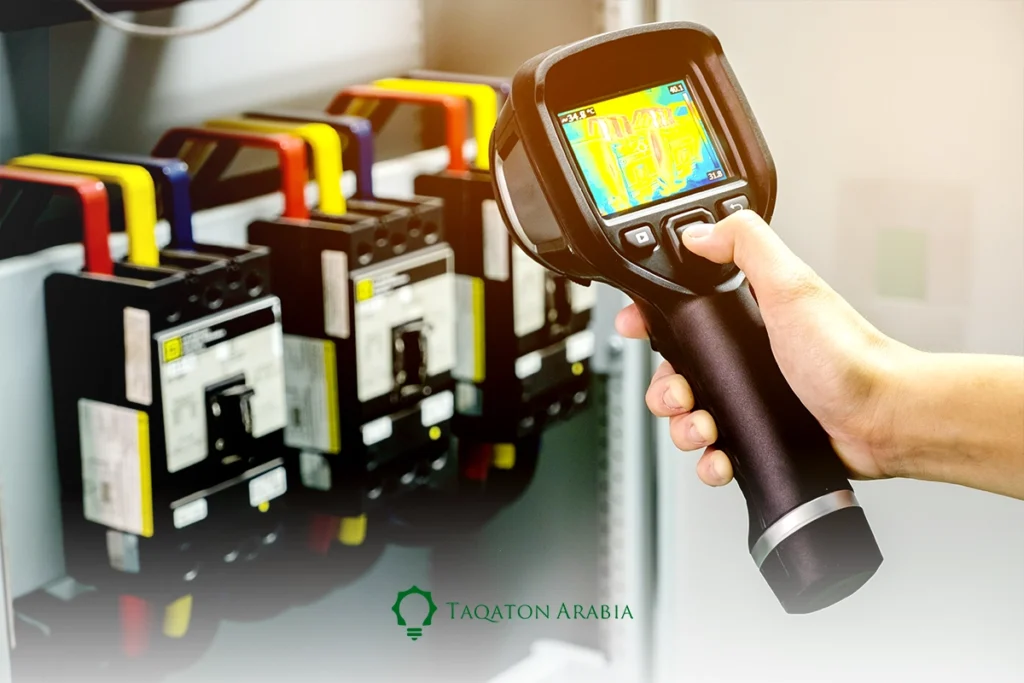
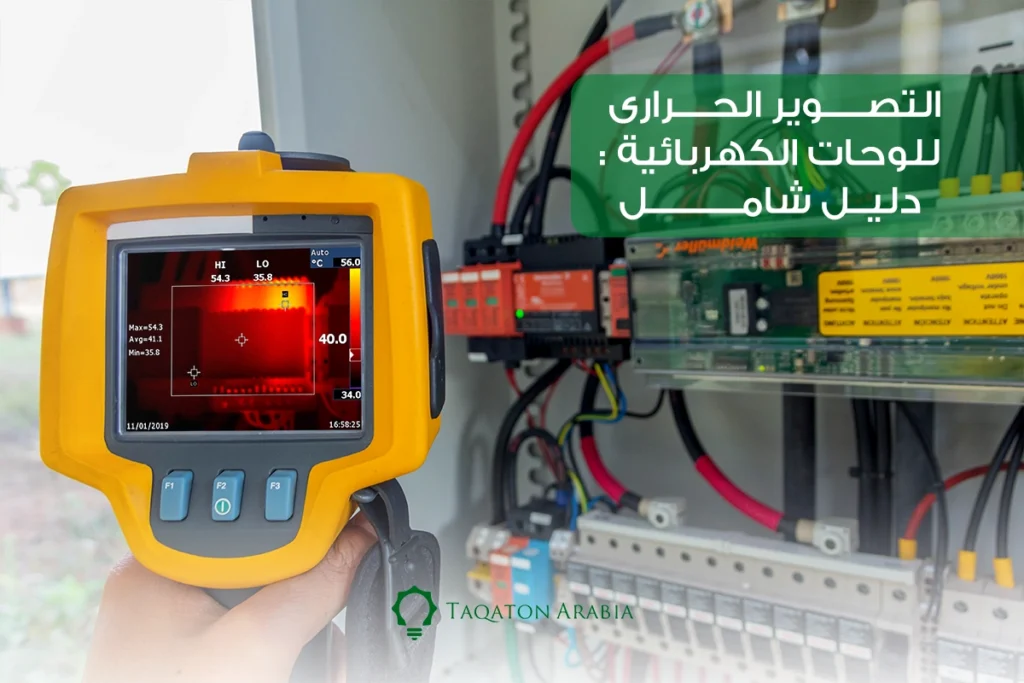
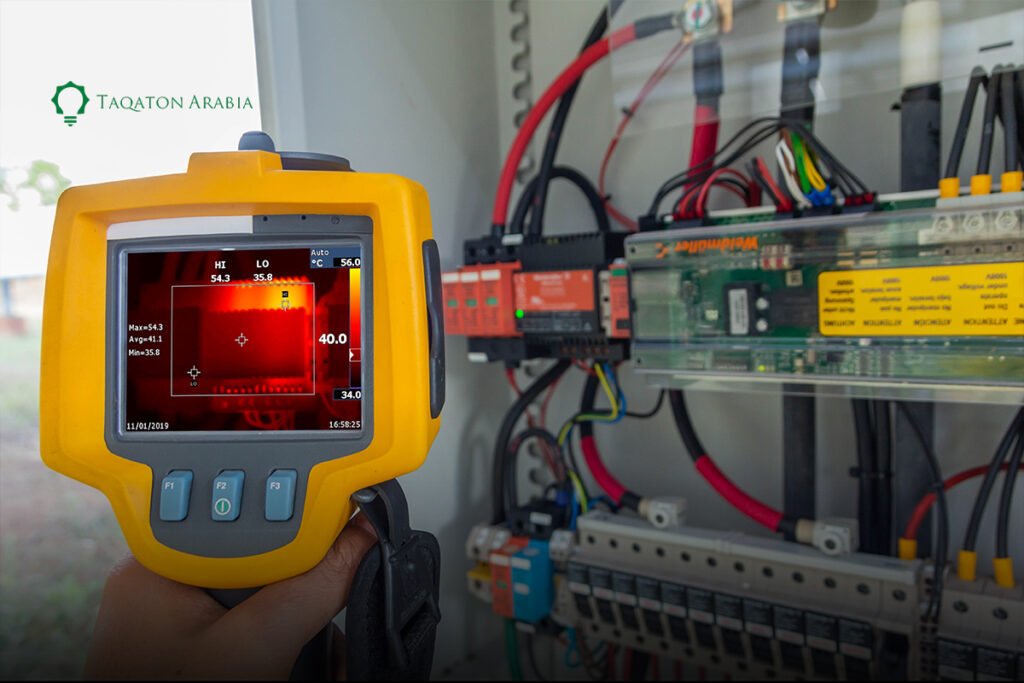
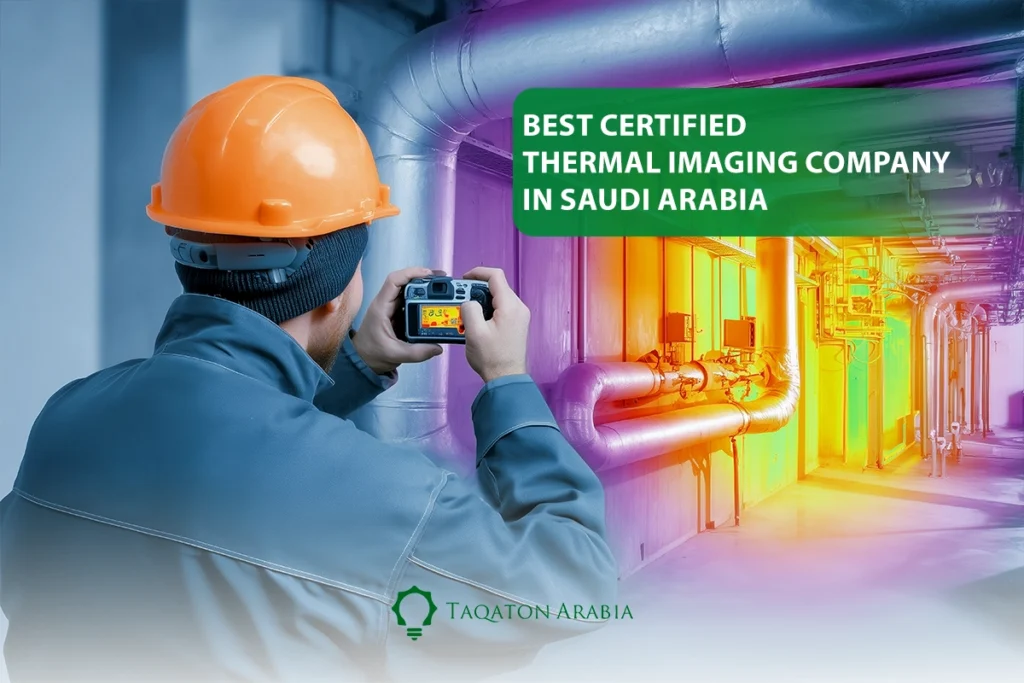
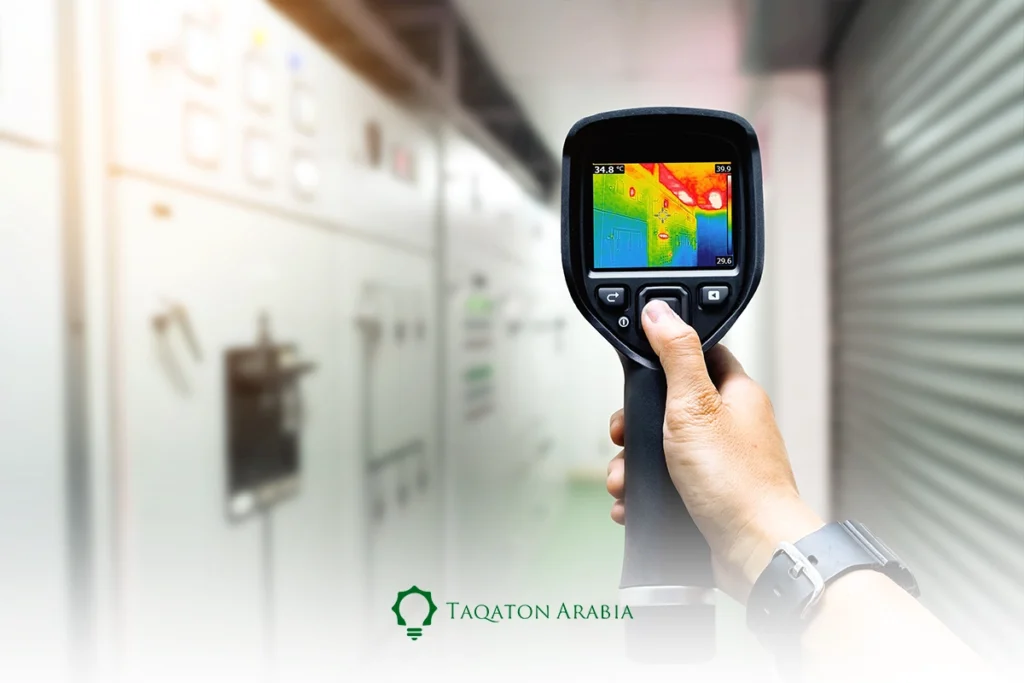
Advanced technology for measuring temperature and detecting thermal changes Based on infrared thermal imaging for accurate analysis Widely used across energy, healthcare, and industrial sectors Enables fast and precise results with modern thermal cameras and sensors Supports diagnostics, inspection, and analytical applications Essential tool for improving efficiency and safety in operations Ideal for electrical and industrial thermal imaging applications What Is Thermal Imaging Technology? Thermal Imaging is an advanced method used to detect heat emitted from objects without any direct contact. This technique relies on Infrared Thermal Imaging, where a thermal imaging camera converts thermal energy into a visible image that can be accurately analyzed. Using a highly sensitive thermal imaging sensor, specialists can capture precise thermal patterns that would otherwise be impossible to detect with the naked eye. At Taqat Arabiya, we explain how Thermal Imaging can be used across multiple fields—from energy efficiency testing to industrial and medical applications. With tools such as a Thermal Imaging Analyzer, professionals can identify subtle temperature changes and improve diagnostics, inspections, and system performance, especially in thermal imaging electrical evaluations. In short, what is thermal imaging? It is a reliable and highly accurate tool for understanding heat distribution in different objects and environments—forming the foundation for all modern Thermal Imaging uses and applications. Order the service now from Taqat Arabia website Key Features of Thermal Imaging:  Thermal Imaging offers several powerful features that make it an efficient and reliable technology across many professional fields—especially when applied at Taqat Arabiya : 1.High Accuracy Advanced thermal imaging cameras and thermal imaging sensors can detect even the slightest temperature variations quickly and effectively, providing highly precise results 2.Non-Contact Detection This technology allows professionals to measure and monitor heat from a safe distance without any direct contact with the object or device being inspected. 3.Wide Range of Applications From energy efficiency assessments to industrial maintenance and medical diagnostics, Infrared Thermal Imaging supports a broad range of uses. These thermal imaging uses make it one of the most versatile tools available today. 4.Detecting Hidden Problems Thermal Imaging helps uncover hidden faults, thermal leaks, or abnormalities that cannot be detected using traditional inspection methods. This is especially valuable in thermal imaging electrical inspections and system diagnostics. 5.Fast and Efficient Analysis With direct thermal visualization and tools like a Thermal Imaging Analyzer, specialists can make quick and accurate decisions based on real-time thermal data. With these features, Infrared Thermal Imaging becomes an indispensable tool in modern thermal imaging applications across various industries and professional environments. Also Read: What is Preventive Maintenance? Order the service now from Taqat Arabia website Thermal Imaging Use Case Scenarios: Thermal Imaging opens the door to a wide range of practical applications, making it a powerful tool across industries thanks to thermal imaging cameras, sensors, و Infrared Thermal Imaging systems. 1.Industrial Applications Helps spot hidden faults in machines and electrical systems early—ideal for thermal imaging electrical inspections. 2.Energy & Building Efficiency Used to detect heat leaks, assess insulation, and improve overall energy performance. 3.Medical Uses Supports early detection of inflammation and circulation issues through non-invasive Infrared Thermal Imaging. 4.Security & Surveillance Thermal cameras provide clear visibility in darkness and harsh conditions where standard cameras fail. 5.Research & Science A reliable way to track temperature changes in experiments or monitor environmental patterns using tools like a Thermal Imaging Analyzer. In short, Thermal Imaging is a flexible technology with countless real-world thermal imaging uses, offering fast and accurate insights across diverse fields. Order the service now from Taqat Arabia website Also Read: What is predictive maintenance (PdM) ?  The Importance of Thermal Imaging in Electrical Panel Inspections: Infrared Thermal Imaging is a vital tool for inspecting electrical panels and detecting potential faults before they escalate. Early Fault Detection: Thermal imaging cameras can spot abnormal heat rises in panels and switches, preventing fires or sudden equipment failures. Enhanced Safety: Non-contact inspection allows monitoring from a safe distance, reducing the risk of electrical shocks. Time and Effort Savings: Thermal imaging provides immediate, visible results, enabling quick and accurate maintenance decisions. Improved Maintenance Efficiency: By accurately detecting thermal anomalies, preventive maintenance can be scheduled to ensure continuous equipment operation. In short, Thermal Imaging is indispensable for ensuring the safety and efficiency of electrical panels and related equipment in professional applications like those at Taqat Arabiya. Thermal Imaging Applications in Preventive Maintenance: Infrared Thermal Imaging is a powerful tool for preventive maintenance, helping detect issues early before they escalate. At Taqat Arabiya, it’s applied in several practical ways: Electrical Panels & Industrial Equipment: Spotting hot spots that may indicate potential faults using thermal imaging cameras and sensors. Building Heat Leak Detection: Assessing insulation efficiency and locating energy losses with Infrared Thermal Imaging. Production Lines & Machinery: Monitoring equipment performance to ensure components operate within safe thermal ranges. Energy Networks & Thermal Systems: Detecting problems early to prevent system downtime or damage, including thermal imaging electrical inspections. In short, preventive maintenance with Thermal Imaging improves performance, extends equipment life, and reduces the risk of failures, making it an essential tool across industrial and service sectors. Steps for Conducting Thermal Imaging Inspections: Infrared Thermal Imaging follows specific steps to ensure accurate and reliable results, widely used at Taqat Arabiya: Preparation: Clean the surface of the object or equipment and set up the thermal imaging camera correctly. Defining the Inspection Area: Select target zones carefully to monitor heat distribution and thermal changes. Thermal Imaging Capture: Use the camera to capture thermal imaging photos showing temperature patterns. Result Analysis: Examine the thermal images to identify hotspots or abnormal heat zones. Reporting: Document findings and provide recommendations for maintenance or preventive actions to ensure optimal performance. By following these steps, Thermal Imaging delivers high accuracy and effective results across all modern thermal imaging uses. Order the service now from Taqat Arabia website Factors Affecting Thermal Imaging Accuracy: Infrared Thermal Imaging accuracy depends on several key factors, which are essential to consider during inspections at Taqat Arabiya: Ambient Temperature: Variations in surrounding temperatures can impact the

Top Solar Panel Cleaning Companies
Uncategorized

Top Solar Panel Cleaning Companies in Saudi Arabia

What are the top solar panel cleaning companies in Saudi Arabia? As the demand for clean energy continues to rise, solar panels have become a key solution for generating electricity in homes, factories, and large-scale projects across Saudi Arabia. With continuous reliance on these panels, regular solar panel cleaning is essential to ensure maximum efficiency and energy production. In this article, we will explore the top solar panel cleaning companies, the essential steps for cleaning solar cells, modern cleaning techniques, and why Taqat Arabiya is considered one of the best companies specializing in this field. What Are Solar Panels and What Are They Used For? Solar panels are devices designed to convert sunlight into electricity for use in homes, factories, and businesses. These panels rely on photovoltaic cells to transform solar energy into clean electricity, reducing dependence on traditional energy sources. To maintain efficiency, regular cleaning solar cells and solar panel cleaning services are essential. Knowing the correct solar panel cleaning method helps prevent damage to the panels. You can rely on Taqat Arabiya, one of the top solar panel cleaning companies in Saudi Arabia, to ensure safe and effective cleaning. It’s also important to understand whether you should wash solar panels or use dry cleaning methods for optimal performance. Why Do Solar Panels Require Regular Cleaning? Solar panels in Saudi Arabia are exposed to dust, dirt, and weather conditions, which can reduce electricity production. Therefore, regular cleaning solar cells and solar panel cleaning services is crucial for optimal performance. Benefits of regular cleaning include: Increased energy output from the panels Extended lifespan of the panels Reduced faults caused by accumulated dirt and dust For safe and effective cleaning, you can trust Taqat Arabiya, one of the leading solar panel cleaning companies in Saudi Arabia, which follows the best solar panel cleaning methods. It’s also important to determine whether you should wash solar panels or use dry cleaning techniques based on their condition. Order the service now from Taqat Arabia website What to Do Before Cleaning Solar Panels? Before starting solar panel cleaning, follow these steps to ensure safety and efficiency: Turn off the electrical system: Always switch off the system to avoid accidents. Inspect the panels: Check solar cells for cracks or damage. Choose the right time: Clean panels early in the morning or after sunset to avoid high temperatures. Prepare cleaning tools: Use equipment and materials specifically designed for solar panel cleaning services and follow the proper solar panel cleaning method. Relying on experts like Taqat Arabiya, a leading solar panel cleaning company, ensures safe and effective cleaning for both traditional and modern solar cell systems. Key Steps in Solar Panel Cleaning To maximize panel performance, follow the correct solar panel cleaning method, which includes: Removing surface dust: Use a soft brush or low-pressure water hose to avoid damaging solar cells. Using safe cleaning solutions: Use chemicals designed for solar panel cleaning services to protect the glass surface. Gentle cleaning: Avoid applying high pressure to prevent scratches or damage. Rinsing and drying: Ensure panels are evenly rinsed and dried to maintain effective solar panel cleaning. Monitoring results: Check panel performance post-cleaning to confirm improved energy output. You can rely on Taqat Arabiya, one of the top solar panel cleaning companies in Saudi Arabia, to implement these steps professionally and safely. Also Read: What is Preventive Maintenance? What to Do After Cleaning Solar Panels? After solar panel cleaning and cleaning solar cells, take these steps to maintain optimal efficiency: Ensure panels are completely dry before reconnecting the system Restart the system and monitor performance improvements Schedule regular cleaning to maintain panel efficiency Inspect for potential damage and consult professionals if needed Using Taqat Arabiya ensures proper post-cleaning follow-up with the best solar panel cleaning methods. Why Taqat Arabiya Is the Best Company for Solar Panel Cleaning?  Taqat Arabiya is one of the top solar panel cleaning companies in Saudi Arabia due to its high expertise in cleaning solar cells and solar panel cleaning services. Reasons for their excellence include: A trained team using the latest solar panel cleaning techniques Commitment to the highest safety and quality standards Use of top materials and techniques to maintain panel efficiency and lifespan Ability to provide comprehensive solutions for residential, commercial, and industrial projects In short, trusting Taqat Arabiya guarantees safe and effective solar panel cleaning services with maximum energy production and minimized future faults. Order the service now from Taqat Arabia website Order the service now from Taqat Arabia website Cleaning Techniques and Materials Used by Taqat Arabiya in Saudi Arabia Taqat Arabiya uses the latest solar panel cleaning techniques and materials to ensure high-quality results and preserve the efficiency of solar cells and solar panels. Key features include: Special cleaning solutions that do not scratch or damage the glass surface Advanced cleaning tools for dust and dirt removal without affecting panel performance Modern techniques suitable for Saudi climate, ensuring effective cleaning even in desert areas Strict safety procedures during cleaning to protect both staff and panels Thanks to these techniques and materials, Taqat Arabiya delivers high-quality results and remains one of the leading solar panel cleaning companies in Saudi Arabia, ensuring optimal long-term panel performance. Also Read: What is predictive maintenance (PdM) ? FAQs: When should solar panels be cleaned, and what factors determine frequency? Panels should be cleaned regularly depending on the environment and location. Factors include dust levels, weather conditions, panel angle, and dirt accumulation on solar cells. Usually, panels are cleaned every 3–6 months. How to choose the right solar panel cleaning company? Look for experience in cleaning solar cells and solar panel cleaning services, proper solar panel cleaning methods, good reputation, and adherence to safety standards. Taqat Arabiya is a top example. Can solar panels be cleaned manually? Yes, using proper tools and cleaning materials. However, relying on experts like Taqat Arabiya ensures the safety of solar cells and proper solar panel cleaning methods. Do rain showers replace the need for cleaning panels? Rain can partially

What is the Annual Maintenance for Transformer (3)
Annual Maintenance

What is the Annual Maintenance for Transformer?

Transformers are crucial components in electrical power systems, ensuring the stability and quality of electricity supply. Without proper maintenance, transformers can face unexpected failures, disrupting operations and causing costly downtime. Annual Maintenance for Transformer is a strategic approach to prevent such issues and maintain optimal performance. At Taqat Arabia, we view routine transformer maintenance not just as a task, but as a vital investment in operational efficiency, safety, and asset longevity. What is Annual Transformer Maintenance?  procedures performed at least once a year to ensure that a transformer operates safely, efficiently, and reliably. This type of maintenance is not only about checking the equipment superficially, but it is a proactive approach designed to identify potential issues before they escalate into serious failures that can disrupt operations or cause costly downtime. The primary objectives of annual transformer maintenance include: Detecting early signs of wear or damage Transformers are exposed to high electrical loads, fluctuating temperatures, and environmental factors that can gradually degrade components. Regular inspections help identify early indicators of deterioration, such as insulation wear, minor leaks, or loose connections, allowing technicians to take corrective measures before significant problems arise. Ensuring uninterrupted operation By proactively addressing potential faults, annual maintenance minimizes unexpected outages. Reliable transformer operation is critical in industrial facilities, commercial buildings, and utility networks, where even a short interruption can lead to productivity losses or safety hazards. Improving transformer performance and extending lifespan Routine checks and servicing ensure that all components, from the windings and core to cooling systems and protective devices, are functioning optimally. Proper maintenance enhances electrical efficiency, reduces energy losses, and extends the overall lifespan of the transformer, providing better return on investment for organizations. Also Read: What is Preventive Maintinance? Order the service now from Taqat Arabia website Routine transformer maintenance involves a thorough examination of all electrical and mechanical components. This includes: Windings and core inspection to detect overheating, short circuits, or insulation degradation. Insulating oil analysis to ensure it maintains its dielectric properties and is free from contamination. Cooling system checks to prevent overheating and maintain proper temperature regulation. Protective devices inspection to ensure relays, circuit breakers, and alarms function correctly. By performing these detailed procedures, organizations ensure that their transformers remain fully operational, reliable, and safe, significantly reducing the risk of failures and enhancing overall system efficiency. In essence, annual transformer maintenance transforms routine checks into a strategic tool for operational reliability and long-term asset protection. How to Maintain Transformers? Performing transformer maintenance requires precise steps and professional tools to ensure safety and accuracy. Key activities include: Visual Inspection Look for oil leaks, damaged insulators, or physical wear. Ensure cleanliness and absence of dust or debris around the transformer. Insulating Oil Testing Check oil levels and test electrical properties. Detect any contamination or degradation affecting performance. Electrical Testing Measure insulation resistance of windings. Conduct electrical stress tests under operational conditions. Thermal Inspection Use thermal imaging cameras to identify hot spots or overheating areas. Mechanical Inspection Verify the integrity of switches, breakers, and movable parts. Ensure bolts and fasteners are tight and secure. Intelligent Monitoring Modern transformers often integrate smart monitoring systems for continuous performance tracking and predictive maintenance. Proper execution of these steps ensures routine transformer maintenance enhances efficiency, prevents failures, and extends the life of transformers. Also Read: What is predictive maintenance (PdM) ?  Order the service now from Taqat Arabia website Why Proper Maintenance is Important? Routine transformer maintenance is essential for reliable and safe operations. The main reasons include: Preventing Unexpected Failures Early detection of problems reduces the risk of sudden downtime. Maintaining Operational Efficiency Well-maintained transformers operate at optimal efficiency, reducing energy loss. Extending Lifespan Proactive interventions increase the transformer’s operational life and reduce replacement costs. Enhancing Safety Detecting electrical and thermal faults minimizes the risk of fires or hazards. Reducing Operational Costs Preventing major failures reduces repair costs and the need for urgent replacements. Ensuring System Sustainability Supports stable electricity supply, crucial for industrial and commercial operations. At Taqat Arabia, we treat maintenance as a strategic investment, ensuring transformers deliver reliable, long-term performance. Why Taqat Arabia is the Best Choice for Annual Transformer Maintenance? Taqat Arabia is a leading provider of Annual Maintenance for Transformer services. Key reasons include: Specialized Expertise Our team has extensive experience with various types of transformers, ensuring high-quality maintenance. Advanced Technology Smart diagnostic tools, thermal imaging, and ultrasonic testing guarantee precise performance analysis. Comprehensive Services From visual inspection to electrical, mechanical, and intelligent monitoring, we provide end-to-end transformer maintenance. Cost Efficiency and Performance Enhancement Reduces unplanned downtime and improves transformer efficiency, extending its lifespan. Focus on Safety and Sustainability All maintenance activities comply with strict safety and sustainable practices. Operational Continuity Organized maintenance plans and smart monitoring ensure uninterrupted operations, boosting productivity. Order the service now from Taqat Arabia website Tools Required for Transformer Maintenance: Effective routine transformer maintenance depends on specialized tools, including: Electrical Measuring Instruments: Insulation testers, voltage, and current meters. Visual Inspection Tools: Flashlights, magnifying glasses, and cameras. Thermal Imaging Equipment: To detect abnormal hot spots. Oil Analysis Equipment: For testing insulating oil quality. Mechanical Tools: Wrenches, screwdrivers, and measurement devices. Smart Monitoring Systems: For predictive maintenance. Personal Protective Equipment (PPE): Helmets, insulating gloves, and safety shoes. Other Services Offered by Taqat Arabia: Beyond annual transformer maintenance, Taqat Arabia provides: Power station maintenance Predictive maintenance for industrial equipment Condition monitoring (vibration, temperature, pressure, noise) Thermal and ultrasonic inspections Engineering consulting and performance optimization Technical training for maintenance teams These services position Taqat Arabia as a leading partner for transformer and industrial equipment maintenance, delivering reliable and sustainable solutions. FAQS: How often should a transformer be maintained? At least once per year. For heavy-duty or harsh operating conditions, semi-annual checks may be recommended. What are common transformer faults? Electrical faults (insulation failure, short circuits) Mechanical faults (damage to switches or breakers) Oil degradation or contamination Thermal issues (overheating) Operational issues (vibrations, unusual noise) What are the requirements for performing annual transformer maintenance? Safety first: use PPE and de-energize equipment. 

What is predictive maintenance (PdM) (6)
predictive maintenance

What is predictive maintenance (PdM) ?

Can the present and future of institutions and companies cooperate for better development, especially if we are talking about industrial institutions?? This is what predictive maintenance work does in Taqaton Arabia What Is Predictive Maintenance? Predictive maintenance is a data-driven approach to asset management that uses real-time monitoring and advanced analytics to anticipate equipment failures before they occur. Instead of relying on fixed maintenance schedules, this methodology leverages connected sensors, AI-based algorithms, and machine learning models to continuously assess asset health and detect early signs of degradation. Operational parameters such as vibration, temperature, pressure, and acoustic patterns are captured and analyzed to build a digital performance model (Digital Twin) of each asset. When the system identifies even subtle deviations from normal behavior, it triggers actionable insights that enable targeted maintenance at the optimal time—minimizing downtime while maximizing equipment lifespan and efficiency. Predictive maintenance isn’t just about fixing machines; it’s about transforming operations into a proactive, data-intelligent ecosystem, which is our approach at Taqaton Arabia Why Is Predictive Maintenance Important? In modern industrial environments, unplanned downtime is one of the most costly and disruptive challenges. Predictive maintenance addresses this by transforming maintenance from a reactive cost center into a strategic advantage. By continuously analyzing operational data, predictive systems enable organizations to: Prevent unexpected failures that interrupt production and compromise safety. Optimize maintenance schedules, ensuring resources are used only when necessary. Extend equipment lifespan through early detection of wear and performance degradation. Reduce operational costs by eliminating unnecessary part replacements and labor. Enhance decision-making through data transparency and asset performance insights. Beyond the technical benefits, predictive maintenance is a key driver of operational resilience and sustainability. It aligns with the principles of Industry 4.0—where intelligence, efficiency, and foresight define competitiveness. In essence, predictive maintenance is not just about maintaining assets; it’s about sustaining productivity, profitability, and trust in every operation, which is our direction at Taqaton Arabia  Benefits of Implementing Predictive Maintenance: Predictive maintenance has become a cornerstone of modern industrial strategy, offering a unique balance between operational efficiency and intelligent technology. It goes beyond preventing failures—it redefines maintenance as a strategic enabler of productivity and sustainability. Key benefits include: Minimized unplanned downtime: by predicting failures before they occur, ensuring continuous production. Reduced operational costs through optimized maintenance cycles and smarter resource allocation. Extended asset lifespan: by addressing issues early, preventing equipment wear and degradation. Improved production efficiency: maintenance is performed precisely when needed, without interrupting operations. Enhanced safety: via real-time monitoring and early detection of potential hazards. Data-driven decision support: providing deep insights into asset performance and operational reliability. Predictive maintenance isn’t just a tool for the future — it’s a present-day driver of efficiency, profitability, and sustainable growth. Order the service now from Taqat Arabia website Difference Between Predictive and Preventive Maintenance In industrial operations, maintenance isn’t just a technical necessity—it’s a strategic factor that defines performance, reliability, and profitability. Preventive maintenance follows a fixed schedule. Machines are serviced after a set number of operating hours or at predefined intervals, regardless of their actual condition. While this reduces the risk of sudden breakdowns, it often results in unnecessary maintenance, higher costs, and avoidable downtime. Predictive maintenance, on the other hand, relies on real-time data analytics and connected technologies to monitor equipment health continuously. Instead of maintaining assets on a calendar basis, it allows companies to perform maintenance exactly when it’s needed—when the data shows early signs of degradation. The real difference? Preventive maintenance plans for probability, While predictive maintenance acts on precision. By adopting predictive maintenance, organizations move from routine service to smart performance optimization—reducing costs, boosting uptime, and transforming maintenance into a source of competitive advantage. You can know more by visiting Taqaton Arabia How Predictive Maintenance Works?  Predictive maintenance turns raw operational data into intelligent decisions. It’s more than just monitoring — it’s a fully connected analytical system that translates every machine signal into actionable insight. The process begins with smart sensors installed on key assets, continuously tracking variables such as vibration, temperature, and pressure. These data streams are then processed by an AI-powered analytics platform, capable of detecting even the slightest shifts in performance patterns. Once an anomaly is identified, the system issues a predictive alert, enabling maintenance teams to act at the perfect time—before downtime occurs. The outcome? A stable operation, faster decisions, and lower costs — because maintenance is now driven by intelligence, not by chance. Challenges in Implementing Predictive Maintenance: Despite its proven value, implementing predictive maintenance in industrial environments comes with a unique set of challenges — particularly when bridging cutting-edge technology with legacy operations. Key challenges include: High initial investment: the need for advanced sensors, robust digital infrastructure, and powerful analytics platforms. Data integration complexity: unifying diverse equipment data into a single, actionable analytical framework. Skill gaps: the shortage of professionals who combine industrial experience with data science and AI expertise. Cultural resistance to change: shifting from traditional maintenance routines to data-driven decision-making can take time. Yet, organizations that overcome these barriers unlock a true competitive edge — because adopting predictive maintenance isn’t just a technical upgrade; It’s the beginning of a smarter operational culture where every decision is informed, intentional, and value-driven. Every challenge faced today becomes a stepping stone toward a more intelligent, efficient, and sustainable tomorrow. Examples of Predictive Maintenance in Action: Predictive maintenance is already transforming operations across industries that demand reliability, precision, and continuous performance. It’s not a futuristic concept — it’s a proven technology driving measurable impact today. Common applications include: Energy and utilities: sensors monitor turbines, generators, and transformers, detecting anomalies before they cause costly outages. Manufacturing: AI-driven analytics predict wear and tear on production equipment, ensuring consistent quality and reduced downtime. Transportation and logistics: real-time data from vehicles and heavy machinery enables early detection of mechanical issues, preventing field failures. Smart buildings: predictive systems oversee HVAC, power, and lighting infrastructure to optimize energy efficiency and maintenance scheduling. Across every sector, predictive maintenance shifts organizations from reaction to control — turning technology into a

Scroll to Top