طاقات عربية | حلول هندسية ذكية Taqaton Arabiya

Uncategorized

Battery Capacity Testing
Uncategorized

Battery Capacity Testing: How It Works

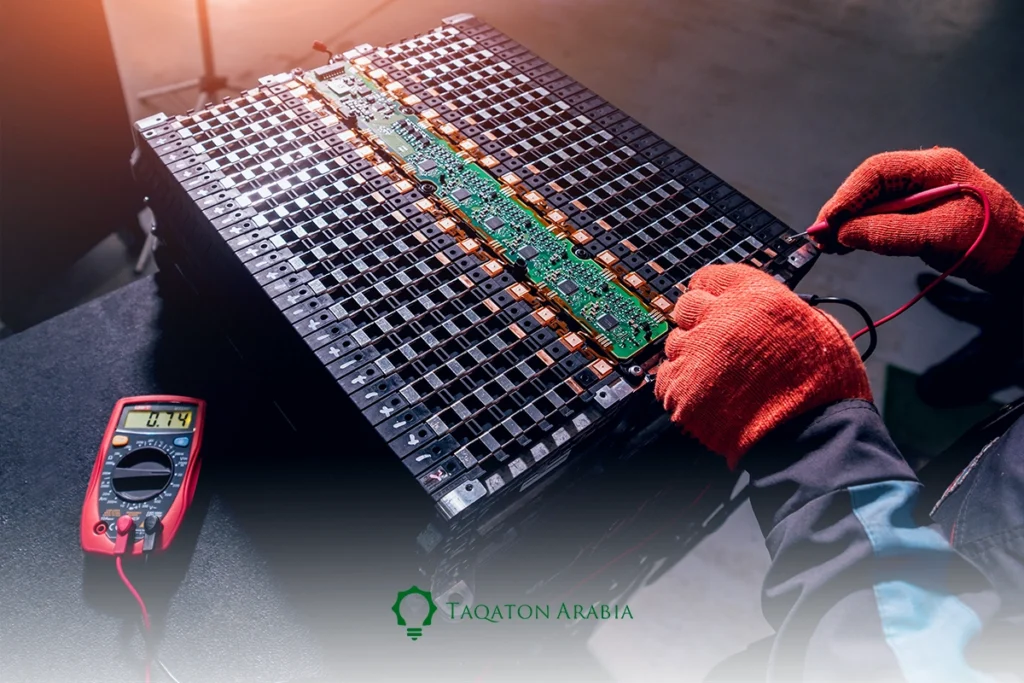
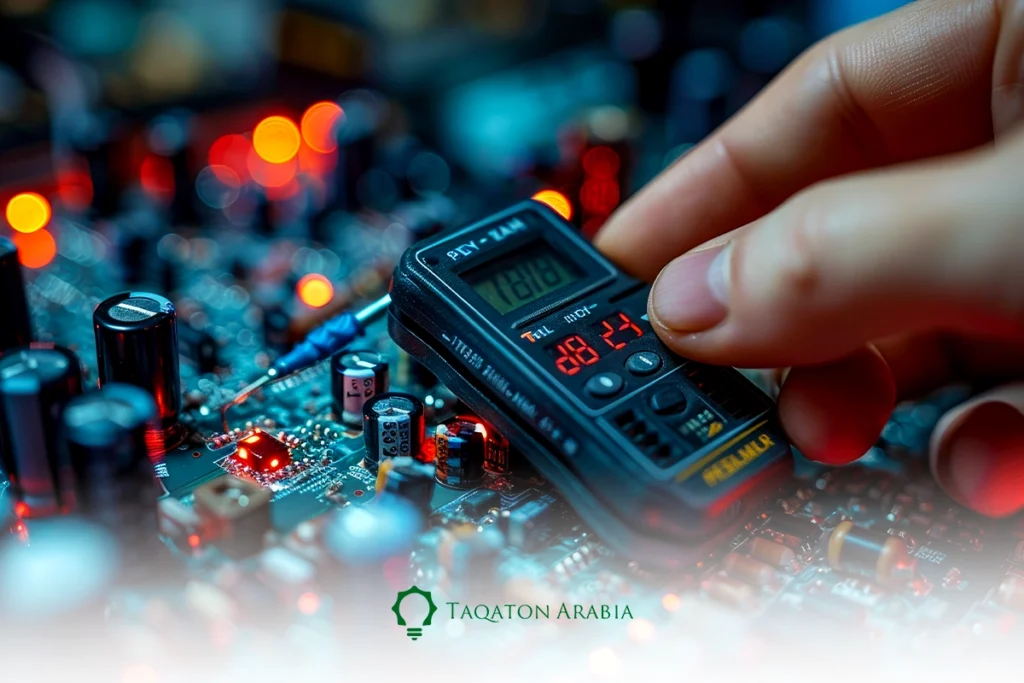
Here is the updated text with Battery Capacity Testing integrated smoothly right at the beginning of the opening paragraph while maintaining professional flow and context: Battery Capacity Testing plays a critical role in maintaining power continuity across industrial facilities, data centers, healthcare institutions, telecommunications networks, and other operations that depend on reliable backup power systems. However, battery performance can gradually deteriorate due to aging, operating conditions, and repeated charging and discharging cycles. This deterioration may not always be visible during routine inspections, making regular testing essential. Battery Capacity Testing provides a practical way to evaluate how much energy a battery can actually deliver compared with its rated capacity. When combined with Battery Capacity Measurement, internal resistance analysis, and other diagnostic methods, it helps identify performance degradation, assess battery condition, and determine whether a battery can meet operational requirements. For facilities relying on UPS and industrial battery systems, UPS Battery Maintenance and Testing is particularly important to reduce unexpected failures and maintain backup power readiness. Integrating Battery Performance Testing into Preventive Maintenance and Predictive Maintenance programs also supports better maintenance planning and long-term Asset Reliability. Through its electrical and industrial solutions, Taqaton Arabia supports organizations in understanding their equipment requirements and improving the reliability of their power systems. What Is Battery Capacity Testing and Why Does It Matter? Battery Capacity Testing is a technical procedure used to determine the actual amount of energy a battery can deliver under specified operating conditions. The results are compared with the battery’s rated capacity to assess its condition and identify any reduction in performance. A battery may appear fully charged and show an acceptable voltage reading while still having insufficient capacity to support its connected load. This is why voltage checks alone cannot provide a complete assessment of battery health. The most direct method of Battery Capacity Measurement is a controlled discharge test. During this process, the battery is charged according to the manufacturer’s requirements and then discharged at a specified current while its voltage, current, temperature, and discharge time are monitored. Internal resistance testing provides additional information about the battery’s electrical condition. It measures how strongly the battery opposes current flow internally. An increase in internal resistance may indicate deterioration and can contribute to voltage drops, heat generation, and reduced performance under load. A complete battery assessment may therefore include: Battery Capacity Measurement: Determines the actual capacity available compared with the rated value. Internal resistance measurement: Helps identify changes in the battery’s internal electrical condition. Voltage monitoring: Tracks battery and individual cell voltage during charging and discharging. Temperature monitoring: Identifies abnormal heating and operating conditions. Discharge performance: Evaluates how consistently the battery supplies current under a specified load. Combining Battery Capacity Testing with resistance measurements provides a more comprehensive understanding of battery condition. Additional inspection methods, such as Thermal Imaging and Electrical Power Quality Analysis, can also help identify issues affecting the wider electrical system. Order the service now from Taqat Arabia website Why Do UPS and Industrial Batteries Need Regular Testing? UPS and industrial batteries provide backup power when the main electrical supply fails or becomes unstable. In facilities where continuous operation is essential, an unreliable battery system can lead to equipment shutdowns, operational interruptions, and potential financial losses. Regular UPS Battery Maintenance and Testing helps verify that batteries can deliver the required backup power for the expected duration. It also helps identify gradual deterioration before it develops into an unexpected failure. Several issues can affect industrial and UPS battery performance, including: Reduced battery capacity due to aging and repeated charge-discharge cycles. Increased internal resistance that affects voltage stability under load. Differences in performance between individual cells or battery units. Abnormal temperature variations across battery strings. Loose, corroded, or damaged electrical connections. Reduced backup runtime and inconsistent discharge performance. Regular Battery Performance Testing is especially important in data centers, hospitals, manufacturing facilities, telecommunications sites, and other environments that depend on uninterrupted power. A structured testing program also helps maintenance teams make informed decisions about battery replacement, maintenance schedules, and operational risks. By including Battery Capacity Testing in routine Preventive Maintenance, organizations can improve system readiness and support long-term Asset Reliability. What Battery Performance Indicators Should Be Measured? Accurate battery assessment requires more than one measurement. Several electrical and thermal indicators should be monitored together to understand the battery’s actual condition and identify potential problems. The most important indicators include: Actual Battery Capacity Actual capacity represents the amount of energy a battery can deliver under specified discharge conditions. It is commonly expressed in ampere-hours (Ah) and compared with the rated capacity provided by the manufacturer. Internal Resistance Internal resistance indicates the opposition to current flow within the battery. A significant increase compared with previous readings may indicate deterioration, although the result must be interpreted according to battery chemistry, temperature, state of charge, and measurement method. Battery and Cell Voltage Measuring the overall battery voltage and individual cell or module voltages helps identify abnormal voltage differences and potential weak cells. Temperature Temperature affects both battery performance and test results. Monitoring it can help identify abnormal heating, while Thermal Imaging provides a visual method for detecting temperature variations across battery surfaces and connections. Charging and Discharging Current Current measurements help verify whether the battery operates within its specified limits and provide essential data during controlled discharge testing. Discharge Duration Discharge duration indicates how long a battery can supply the specified current before reaching the manufacturer’s recommended end-of-discharge voltage. It is an important part of Battery Capacity Measurement. These indicators should be evaluated together rather than individually. Combining them with Electrical Power Quality Analysis can also help organizations understand how supply conditions and connected loads affect battery system performance. Order the service now from Taqat Arabia website How to Prepare a Battery for Capacity and Resistance Testing? Proper preparation is essential for obtaining reliable test results and maintaining a safe working environment. The preparation process depends on the battery chemistry, configuration, manufacturer requirements, and testing method. The following steps should be considered before starting Battery Capacity


Best Energy Solutions Company in Saudi Arabia
Uncategorized

Best Energy Solutions Company in Saudi Arabia

Choosing the Best Energy Solutions Company in Saudi Arabia involves more than purchasing solar panels or comparing installation prices. A successful energy project starts with understanding a facility’s consumption, selecting the right technologies, and planning for long-term performance. Taqaton Arabia supports organizations across Saudi Arabia through renewable energy solutions, energy audits, solar photovoltaic systems, and operation and maintenance services. The goal is to align engineering decisions with actual energy demand, operating conditions, and project objectives. Whether you manage a factory, commercial property, hotel, or residential development, the right approach considers technical feasibility, electrical safety, investment requirements, and future maintenance. This guide explains the available solutions, the differences between solar system configurations, and the practical steps to take before starting a project. Why Is the Reliance on Renewable Energy Solutions Growing in Saudi Arabia? How to Choose the Best Energy Solutions Company in Saudi Arabia? Renewable Energy is increasingly important to energy planning in Saudi Arabia as organizations explore ways to diversify their electricity supply and improve resource efficiency. The country’s solar resources create opportunities for generating electricity and heating water, but the viability of each application depends on the site, daily demand, system design, and commercial conditions. For many facilities, the value of solar power lies in offsetting part of the electricity purchased during daylight hours and creating a clearer long-term energy strategy. These benefits are not automatic. Expected generation, electricity tariffs, installation costs, operational requirements, and applicable regulations all influence the outcome. Working with an experienced Energy Solutions Company helps a project begin with an assessment rather than a predetermined equipment package. The most suitable technology should be chosen after evaluating what the building needs, when it needs energy, and how performance will be measured. Why Is Taqaton Arabia the Best Energy Solutions Company in Saudi Arabia for Your Project? Taqaton Arabia combines energy efficiency, renewable energy, electrical engineering, and asset reliability services. This integrated perspective is useful for facilities that need more than a one-time solar installation: they may also need to understand electricity consumption, assess system safety, and maintain performance after commissioning. Key capabilities relevant to project planning include: Assessment before investment: Reviewing demand and operational priorities before recommending a solar or efficiency solution. Multiple energy technologies: Considering PV Systems, solar thermal water heating, and energy efficiency improvements according to the application. Performance support: Solar plant audits, cleaning solutions, and PV operation and maintenance for systems already in service. Complementary electrical expertise: Identifying when an additional electrical study or inspection would be useful for safety and reliability. Choosing the Best Energy Solutions Company in Saudi Arabia for a specific project depends on the quality of the technical proposal, the clarity of the scope, and the suitability of the solution—not on a marketing label alone. Taqaton Arabia’s combination of services gives clients a practical starting point for evaluating those requirements. Order the service now from Taqat Arabia website Integrated Energy Solutions Services in Saudi Arabia Offered by Taqaton Arabia: Our services address different stages of the energy project lifecycle, from identifying demand and efficiency opportunities to supporting the operation of installed systems. Solar Photovoltaic Systems (Solar PV) PV Systems convert sunlight into electrical energy for use in homes, businesses, and industrial facilities. A project assessment considers usable installation space, shading, expected generation, electrical compatibility, and the intended operating arrangement. Proper system sizing matters as much as the selected panels. Solar Water Heaters Solar Water Heaters use solar thermal collectors to heat water rather than generate electricity. They can be useful where hot-water demand is regular, including certain residential and hospitality applications. Solar thermal collectors and photovoltaic modules are different technologies, and each requires its own design and economic assessment. Energy Audits and Solar Plant Assessments An Energy Audit identifies opportunities to reduce unnecessary consumption in systems such as HVAC, lighting, and industrial equipment. A Solar Plant Audit has a different purpose: it reviews an existing plant’s performance, compares expected and actual generation, and identifies areas requiring further inspection or improvement. Solar Panel Cleaning and Operations Support Dust and surface soiling can reduce the sunlight reaching PV cells. Solar Panel Cleaning, monitoring, and operation and maintenance therefore form part of the long-term care of a solar installation. Cleaning methods and service intervals should reflect panel manufacturer instructions, site conditions, and safe access arrangements. Order the service now from Taqat Arabia website Benefits of Adopting Renewable Energy: The value of Renewable Energy Solutions should be assessed in terms of measurable project outcomes. Depending on system design and site economics, potential benefits include: Better control over electricity purchases: On-site generation may offset grid electricity consumed during solar production hours. Reduced environmental impact: Generating solar electricity can displace energy supplied from more emissions-intensive sources. Productive use of available space: Suitable rooftops and designated ground areas may support electricity generation. Greater diversity in energy planning: Solar generation can complement existing supply arrangements. Long-term performance visibility: Monitoring data can support informed decisions about future expansion and equipment maintenance. No responsible proposal should promise a fixed saving percentage or payback period before reviewing energy bills, load patterns, project costs, and relevant tariffs. Key Applications of Energy Solutions by Sector: Different industries have different demand profiles. The most effective solution starts with an understanding of how the facility operates. Industrial Facilities Factories use electricity for motors, production lines, ventilation, refrigeration, and supporting equipment. Solar generation may be considered for daytime loads, while efficiency assessments can identify waste that should be addressed before increasing generation capacity. Commercial Properties and Hotels Commercial buildings often have significant daytime electricity demand, while hotels may also require substantial quantities of hot water. A project may therefore assess both solar PV and solar thermal water heating, alongside HVAC and lighting efficiency measures. Hospitals and Healthcare Facilities Reliable electricity for critical medical and building systems is a priority. Solar power may reduce purchased electricity under suitable conditions, but it does not replace a properly engineered emergency power system or the need for coordinated protection and backup arrangements. Real Estate Developments and Agricultural

Electrical Power Quality
Uncategorized

What Is Electrical Power Quality and How Is It Analyzed?

Electrical Power Quality affects how reliably machines, control systems, and sensitive electronic equipment operate. A facility may have an uninterrupted electricity supply and still experience voltage fluctuations, harmonic distortion, or brief disturbances that cause unexpected shutdowns. Taqaton Arabia provides power quality analysis as part of its electrical engineering and energy solutions in Saudi Arabia, helping facilities investigate these problems through measurements and informed technical decisions. Understanding how power behaves under actual operating conditions is essential before replacing equipment or investing in corrective devices. This guide explains the main disturbances, the analysis process, applicable international standards, and how the findings can support safer, more reliable operations. What Is Electrical Power Quality? Electrical power quality describes how closely the voltage, frequency, and waveform supplied to equipment match the conditions required for satisfactory operation. The term power quality includes sustained deviations and short events, such as voltage sags, swells, interruptions, phase imbalance, and harmonic distortion. A single voltage reading cannot reveal all these events. Some appear only when heavy machinery starts, while others last milliseconds or occur during particular production shifts. An effective assessment therefore combines appropriately selected measurements with information about the facility’s loads and operating schedule. Why Is Electrical Power Quality Important for Facilities? The same disturbance can affect equipment differently. A motor may continue running through a minor voltage sag, while a programmable logic controller (PLC), server, or medical device may reset. Understanding the supply characteristics helps operators protect critical processes without assuming every breakdown originates from the electricity supply. A well-planned assessment can support: Greater continuity of production and building operations. Better protection of sensitive automation and IT equipment. Investigation of abnormal heating in transformers, cables, or distribution equipment. Better-informed decisions about network expansion and new electrical loads. Prioritization of corrective measures based on recorded evidence. The objective is to identify meaningful electrical risks and address their causes, rather than simply treating recurring symptoms. Read also: Solar Water Heater Maintenance How to Choose a Power Quality Analysis Company? A reliable provider should do more than install a meter and generate graphs. It should be able to interpret those graphs in relation to the electrical network, connected equipment, and operational complaints. Before selecting a company, consider whether it can: Define the problem and select suitable monitoring locations. Use measurement equipment appropriate for the required events and accuracy. Plan testing around real load conditions and safe access procedures. Distinguish measured facts from possible causes that still require verification. Deliver a report with event timelines, relevant standards, findings, and corrective options. Recommend follow-up measurements to verify whether the solution worked. Confirm the study scope in advance. Harmonics analysis at the point of common coupling is not the same assignment as diagnosing repeated shutdowns on one production line. Order the service now from Taqat Arabia website Why Choose Taqaton Arabia for Power Quality Analysis? Taqaton Arabia combines power systems engineering with electrical testing, energy efficiency, and asset condition monitoring. This is useful when a facility needs to understand whether an electrical disturbance is linked to operating loads, a network design issue, or equipment condition. The company’s related capabilities include thermal imaging, electrical safety assessments, and engineering studies. A project can therefore be scoped around the actual symptoms, with complementary inspections considered where appropriate rather than automatically included. The aim is a practical engineering outcome: clear measurement findings, a reasoned interpretation, and recommendations that maintenance and operations teams can evaluate before implementation. Order the service now from Taqat Arabia website Key Electrical Power Quality Problems Addressed by Taqaton Arabia: Several categories of disturbance may contribute to Poor Power Quality. Identifying the category first helps determine which measurements and remedies matter. Voltage sags, swells, and interruptions A voltage sag is a temporary reduction in RMS voltage; a voltage swell is a temporary increase. Short interruptions may be particularly disruptive to automation. Recording their magnitude, duration, and timing helps establish whether they coincide with machine starts or other events. Harmonics and waveform distortion Nonlinear loads, including certain variable-frequency drives and electronic power supplies, draw currents that distort the ideal sinusoidal waveform. Excessive distortion can contribute to heating or interference under some conditions, so both voltage and current harmonics should be interpreted at the appropriate measurement point. Voltage and current imbalance Unequal loading, distribution issues, or equipment faults may cause differences between phases. Significant voltage imbalance can negatively affect three-phase motors and should be assessed against the equipment and system requirements. Rapid voltage changes and light flicker Fast fluctuations can create noticeable lighting flicker or other operating issues. Light flicker is a power quality phenomenon; it is not the same as an Arc Flash Study, which assesses the hazards of an electrical arc fault. Common Causes of Poor Power Quality: What Causes Power Quality Degradation? The source may be inside the facility, upstream in the supply network, or a combination of both. Common contributors include: Starting large motors, compressors, lifts, or other high-inrush loads. Variable-frequency drives, rectifiers, and other nonlinear equipment. Uneven loading across the three phases. Loose, damaged, or unsuitable electrical connections and components. Capacitor-bank switching or unsuitable power factor correction arrangements. Grid disturbances and changes in neighboring or on-site loads. Expansion of the electrical system without reviewing its capacity and behavior. These are possible causes, not automatic diagnoses. A properly timed recording can help connect an observed event with the equipment operating at that moment. Read also: A Guide to Steam Trap Testing Order the service now from Taqat Arabia website Negative Effects of Poor Power Quality on Equipment and Facilities: The consequences depend on the disturbance type, severity, and equipment sensitivity. A short sag may reset a control unit and halt production. Sustained imbalance or excessive harmonic currents may increase thermal stress in selected electrical components. Facilities may face downtime, lost output, repeated maintenance interventions, interrupted digital services, or premature deterioration of equipment subjected to prolonged electrical stress. However, an unusually high electricity bill is not proof of a waveform problem. That concern may require an Energy Audit to distinguish consumption patterns and

Causes of Poor Heating in Solar Water Heaters
Uncategorized

Causes of Poor Heating in Solar Water Heaters

When your solar water heater produces lukewarm water, takes longer to heat up, or runs out of hot water earlier than expected, the problem may involve more than sunlight. Understanding the Causes of Poor Heating in Solar Water Heaters helps you distinguish normal weather-related changes from faults that require professional attention. Taqaton Arabia supports solar water heating solutions and engineering-led maintenance planning for homes and facilities in Saudi Arabia, with a focus on system performance, energy efficiency, and equipment reliability. The right response starts with a simple question: is the system collecting too little heat, circulating it poorly, or losing it after storage? This guide explains the symptoms, likely causes, safe checks, and maintenance decisions without treating every drop in water temperature as a mechanical failure. Causes of Poor Heating in Solar Water Heaters: How Does a Solar Water Heater Work? Taqaton Arabia’s Guide A solar thermal collector absorbs sunlight and converts it into heat, which is transferred either directly to the water or to a dedicated heat-transfer fluid. In indirect systems, the fluid passes through a heat exchanger that transfers the energy to the domestic water without the two circuits mixing, and an insulated tank then keeps the hot water until it is needed. As Taqaton Arabia’s guide explains, several components work together in the heating process: the thermal collector, connecting pipes, the storage tank, insulation, and safety valves. A pump, sensors, a controller, and a backup heater may also be added, depending on the system design. Understanding the causes of poor heating in a solar water heater therefore requires identifying which part is not doing its job: capturing the energy, transferring it, storing it, or delivering the water to the user. Is a solar water heater the same as a photovoltaic panel? No. A photovoltaic panel produces electricity, while a solar thermal collector uses sunlight to heat a fluid. Troubleshooting a thermal heating fault is different from checking electricity production, even if both systems are installed on the same roof. Causes of Poor Heating in Solar Water Heaters: Why Won’t the Water Heat Up, and What Are the Fixes with Taqaton Arabia? Several faults can produce the same symptom. A useful diagnosis links the temperature complaint to evidence rather than immediately replacing the collector or heating element. Insufficient sunlight reaching the collectors Dust, leaves, new shade from nearby buildings, and unfavorable collector orientation can reduce heat absorption. Visual assessment of the collector location and appropriate professional cleaning may restore performance when soiling is the cause. Poor circulation or trapped air In pumped systems, a failed pump, blocked strainer, low flow, or trapped air can prevent heat from reaching the tank. Bleeding Air from the Circuit requires the correct procedure for the particular pressurized or indirect system; it is not a safe default DIY task. Faulty temperature controls or backup heating An inaccurate sensor or unsuitable controller setting may stop circulation too early, run it at the wrong time, or trigger frequent starts. Sensor and Pump Inspection checks whether measured temperatures match actual operation. If the model includes electric backup heating, its power supply and controls also need assessment by a qualified technician. Scale, water leakage, or deteriorated insulation Mineral deposits may restrict flow or heat transfer; Water Leakage may reduce pressure or system performance; and damaged insulation can allow collected heat to escape. The appropriate remedy depends on whether the problem is in the collector loop, storage tank, or domestic hot-water plumbing. Order the service now from Taqat Arabia website Poor Heating in Winter and on Cloudy Days: When Is It Normal, and When Should You Contact Taqaton Arabia? A solar water heating system keeps collecting some heat whenever suitable sunlight is available, but shorter days, clouds, and low inlet water temperature can lower the final water temperature. The output is also affected by the collector’s tilt angle and area, the tank size, and the amount of water used. The drop in performance is closer to normal behavior when it appears on low-sunshine days and then clearly improves on a sunny day with similar usage. However, if lukewarm water keeps coming out after enough hours of solar radiation, an error message appears, or the backup heating stops working, that is a reason to contact Taqaton Arabia for a technical assessment. The backup heating element isn’t meant to run all the time without a review of the settings. Its job is to make up for a shortage of solar energy when needed, not to mask a persistent fault. And if you rely on it daily despite there being enough sunshine for your solar water heating system, it is better to bring the case to Taqaton Arabia rather than carry on like this. Read also: The best UPS battery maintenance and testing company in Saudi Arabia   Order the service now from Taqat Arabia website Types of Solar Water Heater Systems (Thermosiphon vs. Active, Pressurized vs. Non-Pressurized) and Their Effect on Poor Heating: These terms describe two different design characteristics, not four competing heater types. Thermosiphon versus active circulation A thermosiphon system relies on natural circulation: fluid heated in the collector rises toward a correctly positioned storage tank. Its performance can be affected by poor pipe layout, flow restrictions, and improper collector-to-tank positioning. An active system uses a pump and usually temperature sensors and a controller. It introduces additional points to inspect, including electrical supply, pump performance, sensor placement, and control logic. Pressurized versus non-pressurized systems Pressurized systems are designed to work at specified operating pressures and rely on correctly selected protective components. Non-pressurized systems use a different water-supply and storage arrangement, with limitations that depend on their design. Neither should be modified to resemble the other. Some indirect, double-circulation flat-plate systems also separate the heat-transfer medium from potable hot water. This distinction matters when investigating loss of loop pressure, air locks, and heat-exchanger performance. A technician should identify the actual configuration before testing or servicing it. Why Does Water Temperature Drop Quickly? A Common Cause of Poor Heating in

UPS battery maintenance and testing in Saudi Arabia
Uncategorized

The best UPS battery maintenance and testing company in Saudi Arabia

UPS battery maintenance and testing in Saudi Arabia is essential for industrial facilities, data centers, hospitals, commercial buildings, and other organizations that depend on a continuous power supply. Regular inspection and testing help identify battery issues before they lead to unexpected failures, equipment damage, or operational downtime. Taqat Arabia provides electrical maintenance solutions designed to support system reliability, improve battery performance, and maintain operational continuity. Through preventive maintenance, thermal inspection, and battery testing, facilities can monitor battery health and make informed maintenance decisions. What Is UPS Battery Maintenance and Testing, and Why Do Industrial Facilities Need It? UPS battery maintenance and testing involves inspecting, monitoring, and evaluating the condition of batteries used in Uninterruptible Power Supply (UPS) systems. These batteries provide backup power when the main electrical supply fails, allowing critical equipment to continue operating or shut down safely. Industrial facilities need regular battery maintenance because battery performance can deteriorate over time due to temperature variations, charging issues, aging, and operating conditions. Without proper testing, a battery may appear functional during normal operation but fail when backup power is required. UPS battery maintenance typically includes visual inspections, electrical measurements, battery capacity testing, connection checks, and performance assessments. These procedures help identify potential problems and determine whether batteries require maintenance, further testing, or replacement. The Importance of UPS Battery Maintenance and Its Role in Operational Continuity: Reliable backup power is essential for facilities that cannot afford unexpected interruptions. UPS battery maintenance helps ensure that backup systems are ready to support critical loads during power outages. The main benefits of regular maintenance include: Reduced downtime: Identifying battery problems early helps prevent unexpected UPS failures. Improved reliability: Routine testing confirms whether batteries can provide the required backup power. Extended battery lifespan: Appropriate maintenance helps reduce premature deterioration. Better safety: Inspections can identify damaged batteries, overheating, corrosion, and other potential hazards. More effective maintenance planning: Test results help maintenance teams prioritize repairs and replacement. Improved operational efficiency: Monitoring battery condition supports informed decisions about equipment performance and maintenance costs. Preventive maintenance also helps organizations avoid relying solely on emergency repairs. By assessing battery health regularly, facilities can plan maintenance activities before a failure affects operations. Order the service now from Taqat Arabia website Types of Batteries in Emergency Systems: Lead-Acid vs. Lithium and the Impact of Chemistry on Performance: Industrial UPS systems commonly use lead-acid or lithium-based batteries. Each battery chemistry has different performance characteristics, maintenance requirements, and operating considerations. Lead-Acid Batteries Lead-acid batteries are widely used in backup power systems because of their established technology and availability. They include valve-regulated lead-acid (VRLA) batteries and flooded lead-acid batteries. Their maintenance requirements depend on the battery design. Flooded batteries may require electrolyte-level checks and other manufacturer-specified procedures, while VRLA batteries generally require inspections, electrical testing, and monitoring of temperature and charging conditions. Common issues include corrosion, swelling, leakage, reduced capacity, and deterioration caused by high operating temperatures. Lithium Batteries Lithium batteries, including lithium iron phosphate (LiFePO4) batteries, are increasingly used in UPS applications because of their high energy density and potential for a longer service life. They generally require less routine maintenance than traditional flooded lead-acid batteries. However, they still need appropriate monitoring, charging control, temperature management, and protection through a battery management system (BMS). Comparing Battery Performance The most suitable battery depends on the UPS application, operating environment, backup duration, maintenance requirements, and overall lifecycle cost. Regardless of battery chemistry, UPS battery maintenance and testing in Saudi Arabia should follow the manufacturer’s recommendations and the specific requirements of the installed system. Order the service now from Taqat Arabia website What Factors Affect UPS Battery Life? Several factors can affect UPS battery life, including operating conditions, maintenance practices, and battery quality. Understanding these factors helps businesses plan maintenance and replacement more effectively. Temperature: High temperatures can accelerate battery deterioration and reduce service life. Charging conditions: Incorrect charging voltage or charging system problems may affect battery performance. Usage patterns: Frequent power outages and repeated discharge cycles can contribute to battery wear. Maintenance practices: Regular inspections and testing help identify developing problems before they cause failures. Battery type and quality: Different battery technologies have different service-life expectations and maintenance requirements. Professional UPS battery maintenance and testing in Saudi Arabia can help businesses monitor these factors and maintain dependable backup power systems. Read also: Solar Water Heater Maintenance Company UPS Battery Maintenance and Testing Services from Taqat Arabia: Taqat Arabia supports industrial facilities in maintaining the reliability and performance of their electrical systems through appropriate inspection, testing, and maintenance practices. UPS battery maintenance and testing services may include the following activities, depending on the system requirements and agreed scope of work: Visual battery inspection: Checking battery condition, terminals, connections, corrosion, swelling, and visible damage. Electrical measurements: Recording voltage and other relevant electrical parameters to identify abnormalities. Battery discharge testing: Assessing battery capacity and performance under controlled conditions. Impedance testing: Evaluating internal battery characteristics to help identify deterioration. Thermal inspection: Using a thermal camera to identify abnormal temperature patterns around batteries and electrical connections. Preventive maintenance: Performing scheduled inspections and maintenance activities according to manufacturer recommendations. Condition monitoring: Tracking battery measurements and trends to support maintenance planning. Testing and commissioning of electrical systems: Verifying relevant system functions and performance as required by the project scope. These activities help maintenance teams assess battery condition, identify potential risks, and plan corrective actions when necessary.   Why Choose Taqat Arabia for UPS Battery Maintenance and Testing in Saudi Arabia? Choosing an appropriate maintenance provider is important for facilities that depend on reliable backup power. Taqat Arabia focuses on supporting electrical system reliability through structured maintenance practices and technical assessments. Key considerations when selecting Taqat Arabia for UPS battery maintenance and testing in Saudi Arabia include: Preventive maintenance approach: Identifying potential problems before they develop into major failures. Battery condition assessment: Using inspection and testing results to evaluate battery performance. Thermal inspection techniques: Applying infrared thermography where appropriate to identify abnormal heating. Maintenance planning: Supporting decisions about corrective maintenance, battery replacement, and

Condition-Based Maintenance
Uncategorized

Condition-Based Maintenance

Condition-Based Maintenance is a maintenance strategy that uses the actual condition of equipment to determine when inspection or maintenance is required, rather than relying only on fixed schedules or waiting for failure. Taqaton Arabia provides condition monitoring and engineering inspection solutions that help facilities detect abnormal equipment conditions and support data-driven maintenance decisions. This approach is particularly valuable for facilities that depend on critical electrical and mechanical assets. Equipment Condition Monitoring can help maintenance teams identify developing problems earlier, improve asset reliability, and support better Operational Efficiency by directing maintenance resources toward equipment that actually requires attention. What is Condition-Based Maintenance (CBM)? Condition-Based Maintenance (CBM) is a maintenance approach in which maintenance decisions are based on the actual physical or operating condition of an asset. Equipment condition can be assessed continuously through sensors or periodically using inspection and diagnostic technologies such as vibration analysis, Thermal Imaging / Thermography, ultrasound, and oil analysis. The basic principle is straightforward: monitor selected indicators, determine whether equipment is operating within its normal condition, and investigate when the data shows meaningful deterioration or abnormal behavior. ISO 17359 provides general guidelines for establishing machine condition monitoring programs and applies to different types of machinery.  Key Characteristics of Condition-Based Maintenance: A condition-based strategy has several characteristics that distinguish it from conventional maintenance approaches: Maintenance decisions are based on equipment condition. Relevant operating parameters are measured and monitored. Current readings are compared with normal or historical conditions. Abnormal trends can trigger further investigation. Maintenance resources can be prioritized according to equipment condition. Historical data can be retained to identify gradual deterioration. Different diagnostic technologies can be combined when necessary. The purpose is not simply to collect more data. The data must support a clear maintenance decision. Order the service now from Taqat Arabia website How Does Condition-Based Maintenance Work?  The process normally includes several connected stages. Sensors and Inspection Technologies Different assets require different indicators. Common parameters include: Temperature. Vibration. Pressure. Electrical current and voltage. Speed. Lubricant condition. Acoustic or ultrasonic signals. Facilities may use permanent sensors for continuous monitoring or portable diagnostic instruments for periodic inspections. Data Collection Measurements are collected under relevant operating conditions and recorded for analysis. Some facilities use continuous monitoring systems, while others perform scheduled inspections based on asset criticality and operating requirements. Data Analysis Current data is compared with established baselines, historical readings, operating limits, or similar components. The objective is to identify trends or deviations that may indicate developing deterioration. Alerting and Maintenance Decisions When monitored values exceed an established limit or an abnormal trend appears, the maintenance team can investigate the condition further. The alert itself is not always a diagnosis. Additional measurements and engineering analysis may be required before deciding on corrective action. The U.S. Department of Energy notes that equipment data and monitoring systems can support condition-based recommendations by detecting performance degradation before failure. Order the service now from Taqat Arabia website Condition-Based Maintenance vs. Predictive Maintenance: Condition-Based Maintenance (CBM) and Predictive Maintenance (PdM) are closely related, but they are not exactly the same. Condition-based strategies primarily focus on the current condition of the asset. When monitored parameters show meaningful deterioration, maintenance can be scheduled. Predictive maintenance goes further by analyzing current and historical information to estimate how equipment condition may develop and when maintenance could become necessary. A simple distinction is: Condition-Based Maintenance: What is the condition of the equipment now? Predictive Maintenance: How is the condition developing, and when may intervention be required? In practice, condition monitoring often provides the data required for more advanced predictive maintenance programs. The Department of Energy distinguishes predictive maintenance from time-based preventive maintenance by linking maintenance need to measured equipment condition rather than only to a preset schedule.  Difference Between Condition-Based, Preventive, and Corrective Maintenance: The main difference between these maintenance approaches is what triggers action. Preventive Maintenance Preventive Maintenance is commonly performed according to predetermined intervals, such as calendar time, operating hours, or manufacturer recommendations. An asset may therefore receive maintenance even when no measurable deterioration has appeared. Condition-Based Maintenance Maintenance is triggered by evidence from the actual operating condition of the equipment. The purpose is to perform the appropriate intervention when monitoring indicates a real need. Corrective Maintenance Corrective maintenance takes place after a defect or problem has been identified. It may be planned when deterioration is detected early, or unplanned when the equipment fails unexpectedly. The Department of Energy describes corrective or reactive maintenance as repairing equipment after failure and preventive maintenance as primarily time-based, while predictive approaches aim to identify degradation before failure.  Order the service now from Taqat Arabia website Types of Condition-Based Maintenance:  No single monitoring technology is suitable for every asset. The correct method depends on the equipment and the failure mode that needs to be detected. Vibration Analysis Vibration analysis is widely used for rotating machinery such as motors, pumps, fans, and compressors. Changes in vibration patterns may provide early indications of conditions such as imbalance, misalignment, or bearing-related problems. Thermal Imaging Thermal Imaging / Thermography measures and visualizes temperature patterns across equipment and systems. For electrical applications, Electrical Thermal Inspection can help identify abnormal heating at electrical connections, circuit breakers, cables, and distribution equipment. Thermal Imaging for Electrical Panels can be particularly useful because the inspection is non-contact and allows maintenance teams to locate thermal abnormalities that may require additional electrical testing. Taqaton Arabia provides thermal imaging within its condition monitoring scope for electrical equipment, mechanical applications, and other facility systems.  When organizations search for the Best Electrical Thermal Inspection Company, the evaluation should consider engineering expertise, inspection methodology, reporting quality, safety procedures, and the ability to interpret thermal findings—not only the thermal camera being used. Oil Analysis Oil analysis can be used to evaluate lubricant condition and identify contamination, degradation, or wear-related indicators inside applicable equipment. This can provide information about both the lubricant and the internal condition of the asset. Ultrasound Inspection Ultrasound can support applications such as: Compressed air and gas leak detection. Steam trap inspection. Electrical

أفضل شركة فحص حراري كهربائي
Uncategorized

Best Electrical Thermal Inspection Company

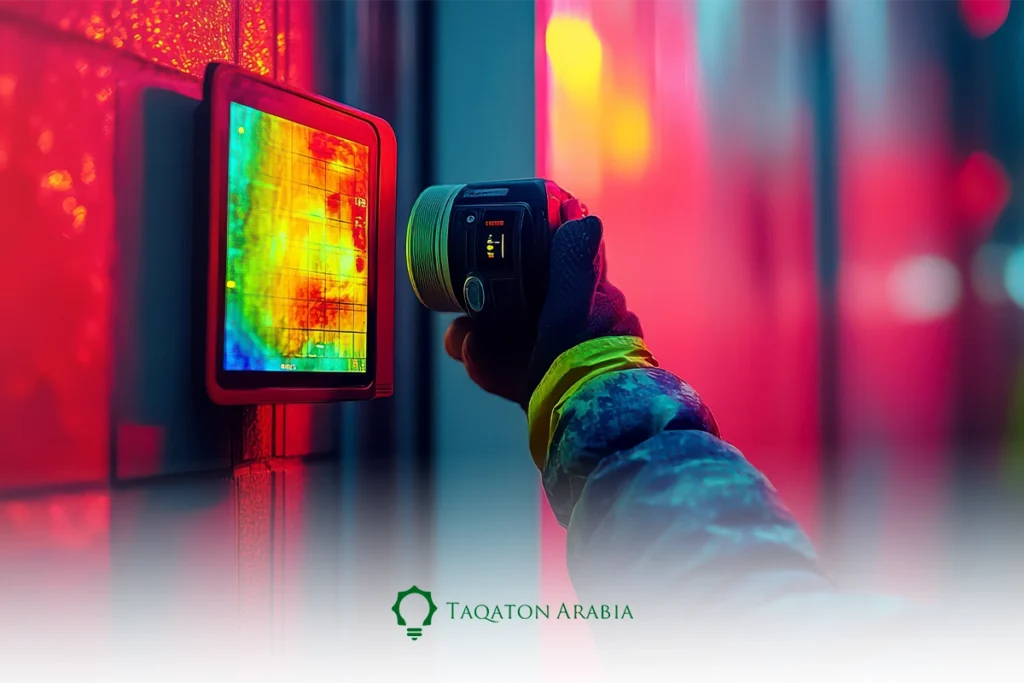
What is the Best Electrical Thermal Inspection Company in Saudi Arabia ? Electrical systems are essential to the daily operation of factories, commercial buildings, warehouses, and other facilities. As equipment operates under continuous or varying loads, small electrical problems can gradually develop into overheating, component damage, or unexpected shutdowns. This makes regular monitoring an important part of maintaining electrical reliability and operational safety. Electrical thermal inspection provides a practical way to monitor the thermal condition of electrical equipment without relying solely on visual inspection. Using specialized infrared cameras, engineers can identify unusual temperature variations across electrical panels, transformers, cables, breakers, and other components. The value of electrical thermal imaging goes beyond identifying hot areas. When performed correctly, it provides useful information that supports preventive maintenance, helps prioritize corrective actions, and reduces the possibility of unexpected electrical failures. In this guide, we explain how electrical thermal inspection works, how it helps identify faults, what to consider when choosing an Best Electrical Thermal Inspection Company, and why Taqaton Arabia is a suitable choice for thermal inspection services in Saudi Arabia. What Is Electrical Thermal Inspection and How Does It Work? Electrical thermal inspection is a technical inspection method that uses infrared thermal cameras to measure and visualize temperature variations across electrical equipment. Every object emits infrared radiation according to its temperature, and a thermal camera detects this radiation and converts it into a thermal image. During the inspection, the thermal camera is directed toward the equipment from an appropriate and safe distance. The camera records the thermal patterns of the inspected components, allowing engineers to compare temperatures and identify areas that show unusual heating. For example, during thermal inspection of electrical panels, one connection may appear significantly hotter than similar connections operating under comparable conditions. This could indicate a loose connection, excessive electrical load, increased resistance, or another condition requiring further investigation. The same approach can be applied to transformers, cables, circuit breakers, busbars, and other electrical components. Thermal imaging inspection of transformers, for instance, can help identify unusual temperature distribution that may require additional testing or maintenance. One of the key advantages of this technology is that it is non-contact. In many applications, inspection can also be performed while equipment is operating under normal load conditions, allowing engineers to assess the actual thermal behavior of the system without shutting it down solely for inspection. However, thermal images should not be interpreted in isolation. Factors such as electrical load, ambient temperature, emissivity, camera angle, distance, and surface characteristics can influence the readings. Professional analysis is therefore essential for obtaining meaningful results. How Does Thermal Inspection Help Detect Electrical Faults? Many electrical problems begin with a gradual increase in temperature before they become visible or cause complete equipment failure. Electrical thermal imaging helps identify these temperature variations and provides an early indication that a component may require further investigation. For example, a connection that is considerably hotter than comparable connections may indicate increased resistance or a poor connection. Similarly, abnormal temperatures around circuit breakers or cable terminations may point to excessive loading, current imbalance, or another electrical condition. Electrical fault detection using thermal imaging can help identify indicators associated with: Loose or deteriorated electrical connections Excessive electrical loads Unbalanced loads Increased resistance at connection points Abnormal cable temperatures Overheating in electrical panel components Unusual thermal patterns in transformers Abnormal heating around breakers and distribution components The thermal image itself does not automatically identify the exact cause of a problem. Instead, it highlights an area that requires technical evaluation. Engineers can then compare the thermal findings with operating conditions, equipment specifications, maintenance history, and other electrical measurements. Regular inspections can also create a thermal history for critical equipment. Comparing current images with previous results makes it easier to identify whether a thermal condition is stable or becoming progressively worse. Also Read: What Are the Applications of Thermal Imaging for Electrical Panels? Order the service now from Taqat Arabia website Criteria for Choosing the Best Thermal Inspection Company: Choosing an electrical thermal inspection company should not be based only on the availability of thermal cameras. The quality of the inspection depends on the equipment used, the experience of the inspection team, the methodology followed, and the way the results are analyzed and reported. Electrical Engineering Experience The inspection team should have a strong understanding of electrical systems and equipment. This allows engineers to interpret abnormal thermal patterns within their actual operating context. Professional Thermal Imaging Equipment The quality and capabilities of the infrared camera can affect the accuracy of thermal images and temperature measurements. Important considerations include image resolution, temperature range, infrared sensitivity, and measurement capabilities. Proper Inspection Methodology A professional inspection should include preparation before the site visit, identification of critical equipment, consideration of operating conditions, appropriate camera positioning, thermal image collection, and technical analysis. Detailed Technical Reports A reliable company should provide a clear report containing thermal images, temperature readings, observations, identified abnormalities, and practical recommendations. A good report transforms thermal data into information that maintenance teams can actually use. Experience With Different Electrical Systems The company should be capable of inspecting different types of electrical equipment, including panels, transformers, cables, breakers, and distribution systems. These factors are particularly important because thermal measurements can be affected by operating load, ambient conditions, emissivity, camera distance, and viewing angle. Professional knowledge is therefore just as important as the thermal camera itself. Also Read: Solutions for Preventing Factory Failures Using Thermal Imaging Order the service now from Taqat Arabia website Why Choose Taqaton Arabia for Electrical Thermal Inspection? Taqaton Arabia provides electrical thermal inspection services as part of its wider range of engineering and energy solutions. The company’s approach focuses not only on capturing thermal images but also on analyzing the collected information and translating it into practical recommendations. Taqaton Arabia Thermal Inspection services can be applied to electrical panels, transformers, cables, and other critical components where monitoring temperature variations can support maintenance decisions. The inspection process is based on understanding the equipment, reviewing operating

أهمية الفحص الحراري للكهرباء
Uncategorized

Importance of Electrical Thermal Inspection

Electrical systems operate continuously under varying loads, making early detection of abnormal conditions essential for maintaining safety, reliability, and operational continuity. Electrical thermal inspection provides a practical way to identify unusual temperature patterns that may indicate developing faults before they turn into major failures. Unlike conventional visual inspections, electrical thermal imaging allows engineers to detect heat variations across electrical components without direct contact. This makes it useful for inspecting electrical panels, transformers, cables, and other critical equipment while supporting preventive and predictive maintenance programs. The importance of electrical thermal imaging goes beyond simply finding hot spots. When performed correctly, it provides valuable condition-based information that helps maintenance teams prioritize repairs, reduce unexpected downtime, protect equipment, and improve overall electrical safety. In this guide, we explore how thermal inspection works, its major applications, the factors that affect its accuracy, and the role it plays in identifying electrical faults and improving preventive maintenance. Why Is Electrical Thermal Inspection Important? The importance of electrical thermal inspection lies in its ability to reveal early warning signs that may not be visible during a standard visual inspection. An unusual temperature increase in an electrical component can indicate issues such as excessive load, loose connections, increased electrical resistance, or component deterioration. Using specialized infrared cameras, engineers can identify temperature differences between components and document the findings through thermal images and temperature readings. This provides maintenance teams with valuable information for evaluating equipment condition and determining which areas require further investigation. Key Benefits of Electrical Thermal Inspection: Some of the main benefits include: Early fault detection: Abnormal temperature patterns can be identified before they develop into serious equipment failures. Improved electrical safety: Detecting excessive heat can help reduce risks associated with overheating and potential electrical fires. Reduced unexpected downtime: Maintenance teams can address developing problems before they result in sudden equipment failure. Better predictive maintenance: Repeated thermal inspections allow organizations to monitor changes in equipment condition over time. Lower maintenance costs: Identifying problems at an early stage can reduce the need for major repairs or premature equipment replacement. Inspection during operation: In many applications, thermal inspections can be performed while equipment is operating under normal conditions. For these reasons, thermal imaging technology for electrical panel inspection has become an important tool for facilities that depend on reliable electrical distribution systems. Also Read:  How much does electrical thermal imaging cost? Order the service now from Taqat Arabia website How Does Thermal Imaging Work in Electrical Inspections? Electrical thermal imaging is based on detecting infrared radiation naturally emitted by objects according to their temperature. The thermal camera captures this infrared energy and converts it into a visual image that represents the temperature distribution across the inspected surface. During an inspection, the camera is directed toward the electrical equipment from a safe position. It records thermal data and produces an image showing temperature variations between different components. Engineers then evaluate these readings in relation to the equipment’s operating conditions rather than relying solely on the colors displayed by the camera. For example, when performing thermal imaging inspection of electrical panels, one connection may appear significantly hotter than similar connections operating under comparable conditions. This temperature difference could indicate a loose connection, increased resistance, or an excessive electrical load. However, the exact cause must be confirmed through engineering analysis and, where necessary, additional electrical testing. The same principle applies to thermal inspection of electrical cables. Abnormal heat along a cable or around its connection points may indicate excessive loading, current imbalance, or connection problems. For transformers, thermal inspection of electrical transformers provides information about heat distribution across different parts of the equipment. Transformer inspection using thermal imaging can reveal unusual thermal patterns that may require further investigation or maintenance. One of the major advantages of this technology is that thermal images and measurements can be stored and compared with future inspections. This makes it possible to track whether a thermal condition remains stable or is gradually becoming more severe. Also Read: Solutions for Preventing Factory Failures Using Thermal Imaging Factors That Affect Thermal Imaging: The accuracy of a thermal inspection does not depend solely on the camera. Several technical, environmental, and operational factors can influence the quality of thermal readings and how they should be interpreted. Important factors include: Electrical Load The operating load has a direct impact on the temperature of electrical components. Performing an inspection under suitable real operating conditions generally makes abnormal temperature differences easier to identify. Ambient Temperature The surrounding temperature can influence equipment temperatures and must therefore be considered when analyzing thermal readings. Emissivity Different materials emit infrared radiation differently. This property, known as emissivity, should be correctly considered when using a thermal camera to obtain reliable temperature measurements. Camera Distance and Angle The distance between the camera and the inspected component, as well as the viewing angle, can affect image quality and measurement accuracy. Proper positioning is essential for obtaining useful thermal data. Equipment Surface Condition Dust, coatings, reflective surfaces, and other surface characteristics can affect thermal measurements. The condition and material of the inspected surface should therefore be considered during the assessment. Thermal Camera Quality Not all thermal cameras offer the same level of performance. Resolution, temperature measurement range, infrared sensitivity, and analysis features can vary considerably. Choosing the best thermal imaging cameras for inspecting electrical equipment is important, but professional interpretation of the results is equally critical. A thermal image should not be treated as a final diagnosis by itself. Temperature anomalies need to be evaluated alongside operating data, equipment specifications, maintenance history, and other relevant electrical measurements. Order the service now from Taqat Arabia website How Can a Thermal Camera Help Detect Electrical Faults Early? Some electrical faults begin with a relatively small temperature increase before becoming visible through conventional inspection methods. A thermal camera can detect these temperature differences and provide an early indication that a component requires further attention. For instance, if one connection inside an electrical panel is considerably hotter than comparable connections under similar operating conditions, it

Uncategorized

The Best Thermal Imaging Company in Dammam

Ensuring the safety and operational efficiency of industrial, commercial, and residential facilities is a top priority that leaves no room for compromise. This is where relying on The Best Thermal Imaging Company in Dammam becomes essential to provide precise, advanced inspection solutions that detect potential failures before they escalate. Choosing a reliable thermal imaging company in Dammam equipped with state-of-the-art devices helps protect your investments and prevent unexpected downtime—a commitment delivered professionally by Taqat Arabiya. Modern thermal imaging services in Dammam utilize infrared technology to capture thermal radiation and convert it into detailed visual imagery, pin-pointing hidden defects with ultimate accuracy. Whether you require thermal imaging for electrical fault detection or need thorough thermal inspection of electrical panels to guarantee grid stability, implementing preventive maintenance using thermal imaging remains the most cost-effective and secure investment for your facility’s future. Because quality demands proven expertise, partnering with a certified thermal imaging company in Saudi Arabia guarantees dependable results that comply with global engineering standards. Taqat Arabiya stands out among the best specialized companies based on customer reviews and certified report services, consistently ranking as one of the best companies specializing in thermal inspection and imaging in Dammam thanks to its unwavering commitment to accuracy and safety. What Is Thermal Imaging and How Does It Help Detect Faults? Thermal imaging (Thermography) is a non-destructive testing method that captures infrared energy emitted by equipment and translates it into temperature-mapped visual images. This technology enables technicians to identify hot spots that indicate underlying issues invisible to the naked eye. As the best thermal imaging company in Dammam, Taqat Arabiya leverages these advanced tools to deliver clear insights into equipment health. When dealing with recurring electrical issues, professional thermal imaging services in Dammam offer the ideal solution to identify poor connections, overloads, or insulation degradation before they lead to hazardous accidents or sudden power loss. Taqat Arabiya is a industry leader in adopting cutting-edge infrared technology, offering comprehensive solutions as a premier thermal imaging company in Dammam. Their services specialize in thermal imaging for electrical fault detection and thermal imaging inspection of electrical panels. By integrating preventive maintenance using thermal imaging, facilities can significantly extend equipment lifespan while reducing expensive repair costs. Operating as a fully certified thermal imaging company in Saudi Arabia, Taqat Arabiya delivers calibrated measurements and precise data, cementing its position among the best companies specializing in thermal inspection and imaging in Dammam. Through continuous professional excellence, it remains recognized as one of the best specialized companies based on customer reviews and certified report services trusted by major factories and commercial entities across the region. Order the service now from Taqat Arabia website How to Choose the Best Thermal Imaging Company in Dammam Selecting the right inspection partner is the critical first step in safeguarding assets and mitigating operational risks. To understand how to choose the best thermal imaging company in Dammam, consider these key criteria to ensure high-quality service and reliable findings: Certification & Licensing: Always partner with a certified thermal imaging company in Saudi Arabia that maintains calibrated equipment and adheres to international testing standards. Team Expertise: Ensure the thermal imaging company in Dammam employs certified engineers capable of accurately interpreting thermal patterns and detecting subtle anomalies. Advanced Equipment: The best thermal imaging company in Dammam uses high-resolution thermal cameras to perform thermal inspection of electrical panels with high clarity. Comprehensive Reporting: Choosing one of the best specialized companies based on customer reviews and certified report services ensures you receive detailed technical documentation with actionable repair recommendations. Diverse Service Offerings: Look for a provider offering versatile thermal imaging services in Dammam, including thermal imaging for electrical fault detection and support for preventive maintenance using thermal imaging. Taqat Arabiya meets all these criteria, combining field expertise with cutting-edge infrared tools to maintain its standing among the best companies specializing in thermal inspection and imaging in Dammam. Order the service now from Taqat Arabia website Why Is Taqat Arabia Considered the Best Thermal Imaging Company in Dammam? Taqat Arabiya earned its reputation as the best thermal imaging company in Dammam through an uncompromising dedication to safety and technical excellence. The company caters to industrial, commercial, and residential sectors by delivering tailored thermal inspection strategies. Setting a high benchmark for inspection solutions, Taqat Arabiya is recognized among the best companies specializing in thermal inspection and imaging in Dammam for several distinct reasons: Reliability & Compliance: As a certified thermal imaging company in Saudi Arabia, its technical reports are accepted by safety authorities and insurance companies. Early Fault Identification: As an established thermal imaging company in Dammam, it excels in thermal imaging for electrical fault detection, locating abnormal heat rises swiftly. Optimized Maintenance Programs: It enhances preventive maintenance using thermal imaging strategies to eliminate unexpected operational downtime and save on major replacement costs. Precision Panel Inspections: It delivers specialized thermal imaging inspection of electrical panels and thermal inspection of electrical panels to protect switches, breakers, and connections from fire hazards. Customer Trust: It tops the list of the best specialized companies based on customer reviews and certified report services due to transparency and high diagnostic precision. Relying on thermal imaging services in Dammam provided by Taqat Arabiya represents the smartest investment for maintaining a secure and productive environment. Electrical Thermal Imaging Services Provided by Taqat Arabia Taqat Arabiya provides a complete suite of engineering services designed to protect electrical infrastructures. Being the best thermal imaging company in Dammam, it employs top-tier diagnostic techniques to identify vulnerabilities early. Key thermal imaging services in Dammam offered by the company include: Thermal Imaging for Electrical Fault Detection: Identifying electrical overloads, loose connections, unbalanced phase loads, and faulty components. Thermal Inspection of Electrical Panels: Conducting detailed thermal imaging inspection of electrical panels, main distribution boards, transformers, and sub-panels to prevent thermal stress. Certified Technical Reports: Operating as a certified thermal imaging company in Saudi Arabia, it issues comprehensive engineering reports complete with thermal imagery and corrective measures. Preventive Maintenance Programs: Integrating preventive maintenance using thermal imaging into routine

A Guide to Steam Trap Testing
Uncategorized

A Guide to Steam Trap Testing

Efficient steam systems are the backbone of many industrial operations, and steam traps are key components in maintaining their performance. Steam trap testing is a critical procedure that ensures these traps are functioning correctly,discharging condensate while preventing unnecessary steam loss. Regular testing not only optimizes energy efficiency and reduces operational costs, but also helps identify potential issues before they escalate, safeguarding the reliability and longevity of the entire system. What is a Steam Trap? A steam trap is a device used in steam systems to remove condensate (water) and non-condensable gases without letting live steam escape. Its main purpose is to maintain system efficiency, prevent water hammer, and ensure proper heat transfer in steam-operated equipment. Why are Steam Traps Testing Required? Steam trap testing is required to ensure that steam traps are working efficiently and effectively. Over time, traps can fail either by leaking live steam or by becoming blocked, leading to energy loss, reduced system performance, higher operating costs, and potential equipment damage. Regular testing helps detect faulty traps early, optimize energy usage, and maintain the overall reliability of the steam system. Types of steam Traps: Steam traps come in several types, each designed for different applications and operating conditions, and understanding the different types of steam traps is essential for selecting the right one: -Mechanical Steam Traps : Operate using a moving part (like a float or a lever) to discharge condensate. Examples: Float and Thermostatic (F&T) traps, Inverted Bucket traps. -Thermostatic Steam Traps : Open or close based on temperature differences between steam and condensate. Examples: Bimetallic traps, Liquid expansion traps. – Thermodynamic Steam Traps : Use the dynamic effect of steam and condensate flow to operate. Example: Disc traps. Each type has its advantages and limitations, and the choice depends on the system pressure, condensate load, and application requirements. Order the service now from Taqat Arabia website How to monitor steam traps? Monitoring steam traps ensures they are functioning properly and prevents energy loss. Common methods include: -Temperature Measurement : Using infrared thermometers to check the temperature difference between the inlet and outlet of the trap. -Ultrasonic Testing : Detecting the sound of steam or condensate flow to identify trap operation. -Visual Inspection : Observing the trap’s discharge if it has a sight glass or drain indicator. -Automated Monitoring Systems : Using sensors and digital systems for continuous, real-time monitoring. Regular monitoring helps identify failed traps early, optimize energy efficiency, and maintain system reliability. Also Read: what are ASHRAE Level 1, 2 & 3 Energy Audits ? What are the consequences of steam trap failures? Failure of steam traps can lead to several serious issues in a steam system: -Energy Loss : Live steam may escape, increasing fuel consumption and costs. -Reduced Efficiency :  Condensate buildup can decrease heat transfer and system performance. -Equipment Damage : Water hammer or corrosion from trapped condensate can harm pipes and machinery. -Production Downtime : Malfunctioning traps can disrupt processes and reduce productivity. -Higher Maintenance Costs : Unattended failures may require expensive repairs or replacements. Regular testing and maintenance are crucial to prevent these problems and keep the system safe and efficient. Also Read: What is Short Circuit Study? Why Do Short Circuits Happen? Why should you choose Taqat Arabiya to do Steam Trap Testing? When it comes to maintaining an efficient steam system, choosing the right partner for steam trap testing is crucial. TAQA Arabia stands out as a trusted provider with the expertise and resources to ensure your system runs safely and efficiently. Here’s why you should choose them: Trusted Expertise: Decades of experience in industrial energy services. Comprehensive Energy Solutions: Expertise in power generation, gas distribution, water solutions, and industrial systems. Reliable Testing: Ensures accurate and professional steam trap testing. Energy Efficiency: Helps reduce energy loss and optimize system performance. Operational Safety: Detects issues early to prevent equipment damage and downtime. Also Read: What is the Annual Maintenance for Transformer? Order the service now from Taqat Arabia website Other Services Provided by Taqaton Arabia for Intelligent Engineering Solutions Taqaton Arabia for Intelligent Engineering Solutions offers a wide range of advanced technical services designed to enhance operational efficiency, improve safety, and reduce energy consumption across industrial and commercial sectors. These services are categorized as follows: -Condition Monitoring Services (TI) Taqaton Arabia provides comprehensive condition monitoring solutions to ensure the reliability and performance of equipment. These include: Predictive Maintenance Preventive Maintenance Condition Monitoring Thermal Imaging Thermography These services help detect potential failures early, minimize downtime, and extend equipment lifespan. -Ultrasonic Testing & Inspection (UT) Using advanced ultrasonic technologies, the company delivers: Ultrasonic Predictive Maintenance Compressed Air Leakage Detection Air Leak Survey Partial Discharge Detection Medical Gases Survey & Testing Steam Trap Assessment Valve Inspection Ultrasonic Electrical Inspection Condition-Based Lubrication Bearing Condition Monitoring These services improve system efficiency, ensure safety, and reduce energy losses. -Energy Audit Services Taqaton Arabia conducts detailed energy assessments to optimize consumption and reduce costs: Energy Audit Energy Efficiency Analysis Energy Saving Solutions ASHRAE Level 1, 2 & 3 Energy Audits ESCO Services Energy Audit Level I, II, III Lighting Assessment HVAC Energy Saving These audits help organizations identify inefficiencies and implement sustainable energy strategies. -Power Systems Services The company provides in-depth analysis and maintenance of electrical systems, including: Power Systems Study Power Quality Analysis Harmonics Analysis Power Logging Power Factor Correction Arc Flash Analysis Short Circuit Study Electrical Safety Audit Electrical Installation Audit Annual Maintenance for Transformers Annual Maintenance for Switchgear General Electrical Maintenance These services ensure safe, reliable, and optimized electrical operations. Order the service now from Taqat Arabia website -Solar & Renewable Energy Solutions (PV Systems) Taqaton Arabia supports clean energy adoption through: Solar Water Heater Systems Solar PV Systems Solar Heat Pump Renewable Energy Solutions Solar PV Cleaning Solar PV Monitoring Solar Systems for Hotels Flat Plate Solar Water Heaters These solutions help reduce dependence on conventional energy sources and support sustainability goals. Through these diverse services, Taqaton Arabia demonstrates its commitment to innovation, efficiency, and sustainability, making it a trusted

Scroll to Top