
What is the Best Electrical Thermal Inspection Company in Saudi Arabia ? Electrical systems are essential to the daily operation of factories, commercial buildings, warehouses, and other facilities.
As equipment operates under continuous or varying loads, small electrical problems can gradually develop into overheating, component damage, or unexpected shutdowns. This makes regular monitoring an important part of maintaining electrical reliability and operational safety.
Electrical thermal inspection provides a practical way to monitor the thermal condition of electrical equipment without relying solely on visual inspection. Using specialized infrared cameras, engineers can identify unusual temperature variations across electrical panels, transformers, cables, breakers, and other components.
The value of electrical thermal imaging goes beyond identifying hot areas. When performed correctly, it provides useful information that supports preventive maintenance, helps prioritize corrective actions, and reduces the possibility of unexpected electrical failures.
In this guide, we explain how electrical thermal inspection works, how it helps identify faults, what to consider when choosing an Best Electrical Thermal Inspection Company, and why Taqaton Arabia is a suitable choice for thermal inspection services in Saudi Arabia.
What Is Electrical Thermal Inspection and How Does It Work?
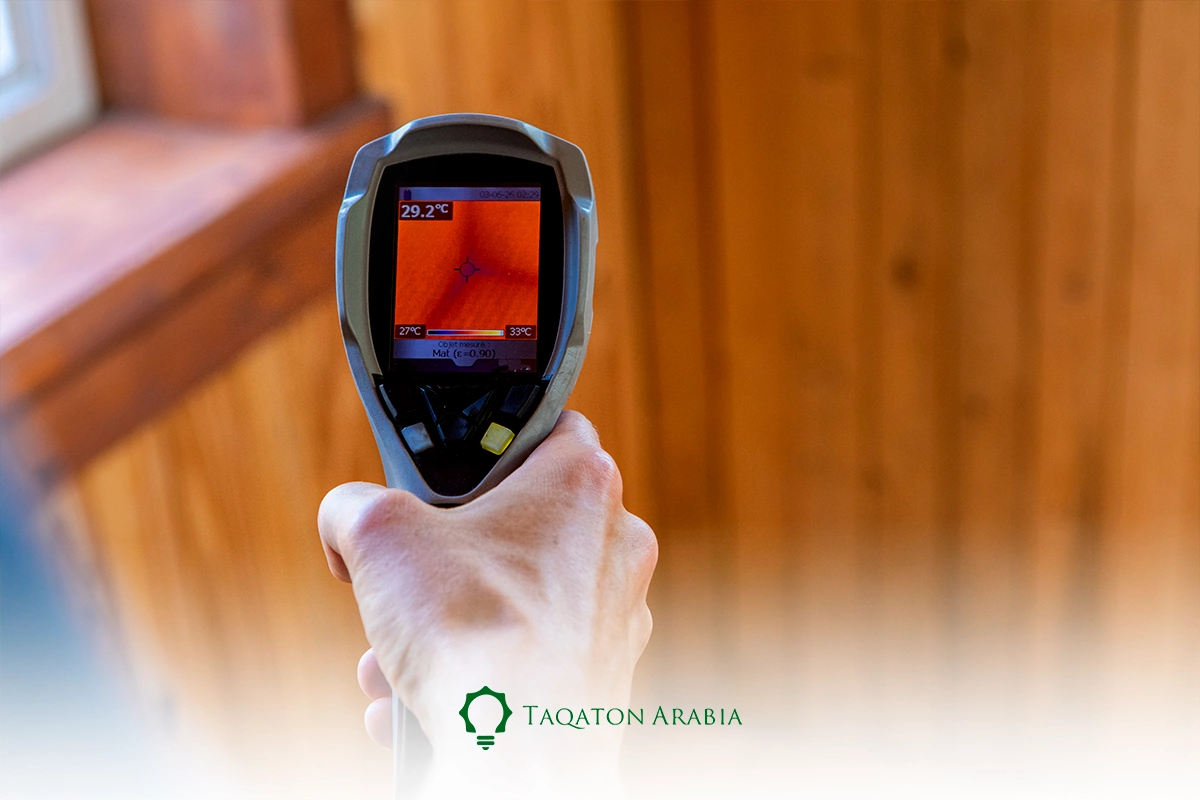
Electrical thermal inspection is a technical inspection method that uses infrared thermal cameras to measure and visualize temperature variations across electrical equipment. Every object emits infrared radiation according to its temperature, and a thermal camera detects this radiation and converts it into a thermal image.
During the inspection, the thermal camera is directed toward the equipment from an appropriate and safe distance. The camera records the thermal patterns of the inspected components, allowing engineers to compare temperatures and identify areas that show unusual heating.
For example, during thermal inspection of electrical panels, one connection may appear significantly hotter than similar connections operating under comparable conditions. This could indicate a loose connection, excessive electrical load, increased resistance, or another condition requiring further investigation.
The same approach can be applied to transformers, cables, circuit breakers, busbars, and other electrical components. Thermal imaging inspection of transformers, for instance, can help identify unusual temperature distribution that may require additional testing or maintenance.
One of the key advantages of this technology is that it is non-contact. In many applications, inspection can also be performed while equipment is operating under normal load conditions, allowing engineers to assess the actual thermal behavior of the system without shutting it down solely for inspection.
However, thermal images should not be interpreted in isolation. Factors such as electrical load, ambient temperature, emissivity, camera angle, distance, and surface characteristics can influence the readings. Professional analysis is therefore essential for obtaining meaningful results.
How Does Thermal Inspection Help Detect Electrical Faults?
Many electrical problems begin with a gradual increase in temperature before they become visible or cause complete equipment failure. Electrical thermal imaging helps identify these temperature variations and provides an early indication that a component may require further investigation.
For example, a connection that is considerably hotter than comparable connections may indicate increased resistance or a poor connection. Similarly, abnormal temperatures around circuit breakers or cable terminations may point to excessive loading, current imbalance, or another electrical condition.
Electrical fault detection using thermal imaging can help identify indicators associated with:
- Loose or deteriorated electrical connections
- Excessive electrical loads
- Unbalanced loads
- Increased resistance at connection points
- Abnormal cable temperatures
- Overheating in electrical panel components
- Unusual thermal patterns in transformers
- Abnormal heating around breakers and distribution components
The thermal image itself does not automatically identify the exact cause of a problem. Instead, it highlights an area that requires technical evaluation. Engineers can then compare the thermal findings with operating conditions, equipment specifications, maintenance history, and other electrical measurements.
Regular inspections can also create a thermal history for critical equipment. Comparing current images with previous results makes it easier to identify whether a thermal condition is stable or becoming progressively worse.
Also Read: What Are the Applications of Thermal Imaging for Electrical Panels?
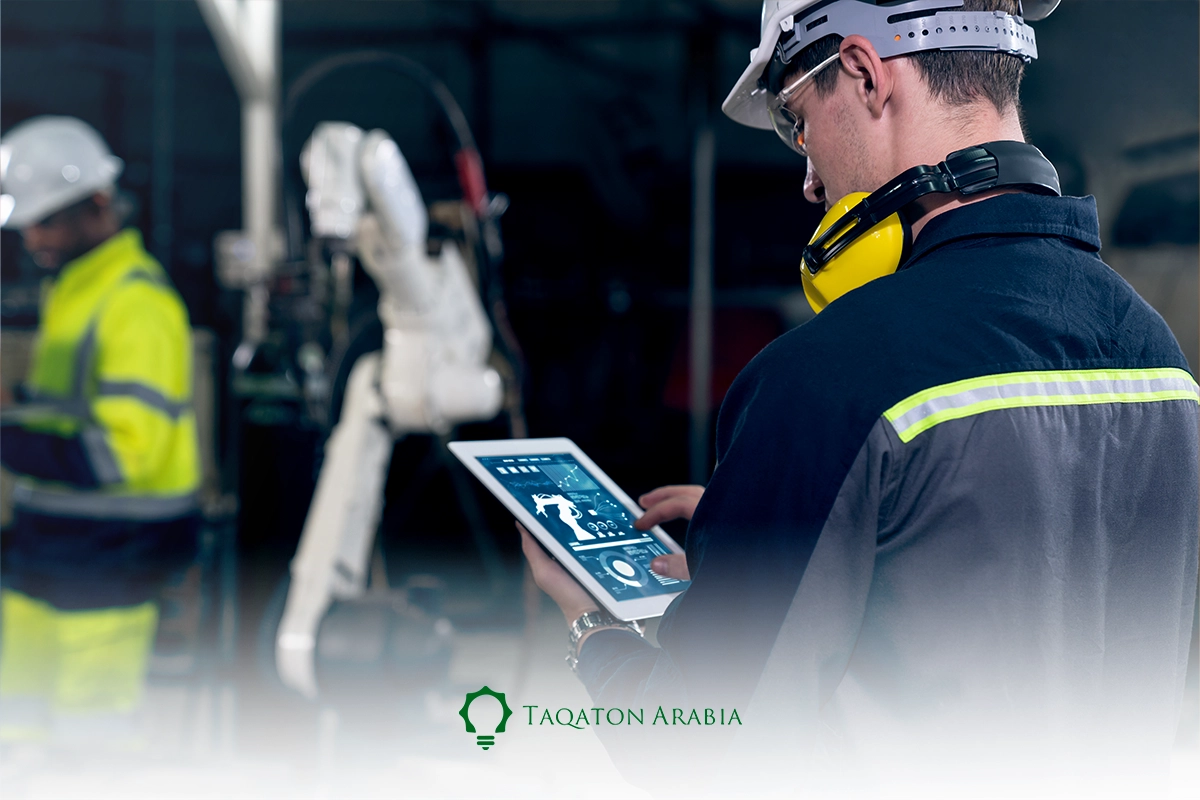
Order the service now from Taqat Arabia website
Criteria for Choosing the Best Thermal Inspection Company:
Choosing an electrical thermal inspection company should not be based only on the availability of thermal cameras. The quality of the inspection depends on the equipment used, the experience of the inspection team, the methodology followed, and the way the results are analyzed and reported.
Electrical Engineering Experience
The inspection team should have a strong understanding of electrical systems and equipment. This allows engineers to interpret abnormal thermal patterns within their actual operating context.
Professional Thermal Imaging Equipment
The quality and capabilities of the infrared camera can affect the accuracy of thermal images and temperature measurements. Important considerations include image resolution, temperature range, infrared sensitivity, and measurement capabilities.
Proper Inspection Methodology
A professional inspection should include preparation before the site visit, identification of critical equipment, consideration of operating conditions, appropriate camera positioning, thermal image collection, and technical analysis.
Detailed Technical Reports
A reliable company should provide a clear report containing thermal images, temperature readings, observations, identified abnormalities, and practical recommendations. A good report transforms thermal data into information that maintenance teams can actually use.
Experience With Different Electrical Systems
The company should be capable of inspecting different types of electrical equipment, including panels, transformers, cables, breakers, and distribution systems.
These factors are particularly important because thermal measurements can be affected by operating load, ambient conditions, emissivity, camera distance, and viewing angle. Professional knowledge is therefore just as important as the thermal camera itself.
Also Read: Solutions for Preventing Factory Failures Using Thermal Imaging
Order the service now from Taqat Arabia website
Why Choose Taqaton Arabia for Electrical Thermal Inspection?
Taqaton Arabia provides electrical thermal inspection services as part of its wider range of engineering and energy solutions. The company’s approach focuses not only on capturing thermal images but also on analyzing the collected information and translating it into practical recommendations.
Taqaton Arabia Thermal Inspection services can be applied to electrical panels, transformers, cables, and other critical components where monitoring temperature variations can support maintenance decisions.
The inspection process is based on understanding the equipment, reviewing operating conditions, collecting thermal data, and evaluating abnormal temperature patterns. This helps provide a more complete assessment rather than treating the thermal image as an isolated result.
The collected information can also be used as part of a preventive maintenance program, allowing facilities to compare thermal conditions over time and identify equipment that may require closer monitoring or corrective action.
By combining thermal imaging technology with electrical engineering knowledge, Taqaton Arabia aims to help facilities improve equipment reliability, reduce operational risks, and make maintenance decisions based on actual inspection data.
Importance of Thermal Inspection for Electrical Systems:
Electrical equipment can operate for long periods under significant loads, making continuous condition monitoring important for facilities that depend on reliable power distribution.
Thermal imaging of electrical systems provides an additional layer of information by showing how heat is distributed across equipment and identifying temperature differences that may not be visible during a standard inspection.
Thermal inspection is particularly useful for:
- Electrical distribution panels
- Circuit breakers
- Power cables and connections
- Transformers
- Busbars
- Distribution equipment
- Critical electrical infrastructure
One of the major advantages of thermal inspection is that it can often be performed while equipment is operating under normal conditions. Actual electrical loading can make abnormal temperature differences more apparent.
Regular thermal inspections can also help create historical data for critical assets. By comparing thermal images from different inspection periods, maintenance teams can monitor changes and identify equipment that may be deteriorating.
For these reasons, electrical thermal inspection services can be an important part of a broader condition-monitoring and preventive maintenance strategy.
Also Read: How much does electrical thermal imaging cost?
Order the service now from Taqat Arabia website
Risks of Neglecting Electrical Inspection:
Electrical problems do not always appear suddenly. In many cases, a fault develops gradually and may initially show only a small change in temperature. If these indicators remain unnoticed, the condition can become more serious and potentially affect equipment reliability and operational continuity.
Neglecting electrical inspection may contribute to:
- Delayed detection of overheating components
- Unexpected electrical equipment failures
- Unplanned operational downtime
- Higher repair and replacement costs
- Increased thermal stress on electrical components
- Reduced reliability of the electrical distribution system
- Greater risk of serious equipment damage
Regular electrical thermal inspection does not eliminate every possible electrical failure, but it provides valuable condition information that can help maintenance teams identify potential problems earlier.
Thermal inspection should therefore be combined with appropriate electrical testing, maintenance activities, and safety procedures to achieve a comprehensive assessment of system condition.
Benefits of Thermal Inspection in Preventive Maintenance :
Preventive maintenance aims to identify and address developing problems before they result in equipment failure. Thermal inspection supports this approach by providing information about the temperature behavior of electrical components during actual operation.
Some of the main benefits include:
Early Detection of Abnormal Conditions
Thermal imaging can reveal unusual temperature patterns before a problem develops into a major failure.
Better Maintenance Prioritization
Inspection findings can help maintenance teams determine which components require immediate attention and which can continue to be monitored.
Reduced Unexpected Downtime
Identifying potential problems in advance gives facilities an opportunity to schedule corrective work before an unexpected shutdown occurs.
Equipment Condition Monitoring
Repeated thermal inspections allow facilities to compare current results with previous inspections and track changes over time.
Reduced Maintenance Costs
Early intervention may prevent minor problems from developing into costly equipment damage or major repairs.
Improved Equipment Reliability
Addressing abnormal heating at an early stage can help maintain more stable operating conditions and support the long-term reliability of electrical assets.
For the best results, thermal inspection should be integrated into a broader preventive or predictive maintenance program rather than being treated as a replacement for conventional electrical testing.
Order the service now from Taqat Arabia website
Importance of Technical Reports After Electrical Thermal Inspection:
The value of thermal inspection does not end when the thermal images are captured. The collected data needs to be organized, analyzed, and presented in a way that maintenance and management teams can understand and act upon.
A technical report provides documented evidence of the inspection results and creates a useful reference for future inspections. It can also help maintenance teams track the condition of critical equipment over time.
A professional thermal inspection report may include:
- Equipment and components inspected
- Thermal images
- Recorded temperature readings
- Identified abnormal thermal areas
- Technical observations
- Areas requiring additional investigation
- Recommended corrective actions
- Recommendations for future monitoring
Clear documentation makes electrical thermal imaging more valuable because the results can be incorporated into maintenance planning and asset management decisions.
It also allows future inspection results to be compared with previous findings, helping engineers determine whether a thermal condition has improved, remained stable, or become more severe.
Other Services Provided by Taqaton Arabia:
In addition to electrical thermal inspection, Taqaton Arabia provides a range of engineering services designed to support electrical reliability, energy efficiency, safety, and operational performance.
These services include:
- ASHRAE Energy Audits to assess energy consumption and identify energy-saving opportunities.
- Arc Flash Studies to evaluate arc flash hazards and improve electrical safety.
- Power Quality Analysis to identify electrical power quality issues that may affect equipment performance.
- Electrical Inspection and Testing to evaluate electrical systems and components.
- Preventive and Predictive Maintenance Solutions to support proactive equipment monitoring.
- Energy Efficiency and Sustainability Solutions to reduce energy waste and improve overall facility performance.
This wider range of services allows facilities to address different electrical and energy requirements through a coordinated engineering approach.
Order the service now from Taqat Arabia website
How Can I Request Electrical Thermal Inspection Services from Taqaton Arabia?
To request electrical thermal inspection services from Taqaton Arabia, the process can begin by providing basic information about the facility and the electrical equipment that needs to be inspected.
It is helpful to identify the type of equipment involved, such as electrical panels, transformers, cables, breakers, or other distribution components. If the facility has already noticed overheating, repeated electrical faults, unusual equipment behavior, or other concerns, these details can also help define the inspection scope.
The Taqaton Arabia team can then assess the requirements and determine the appropriate inspection approach based on the facility, equipment type, operating conditions, and objectives of the inspection.
During the inspection, thermal cameras are used to collect temperature data and thermal images from the selected equipment. The results are subsequently analyzed to identify unusual thermal patterns and areas that may require further attention.
A technical report can then be prepared to document the findings and provide recommendations that support maintenance planning.
If you are looking for a thermal electrical inspection company in Saudi Arabia, you can contact Taqaton Arabia to discuss your facility’s requirements and determine the most suitable inspection scope.
Order the service now from Taqat Arabia website