
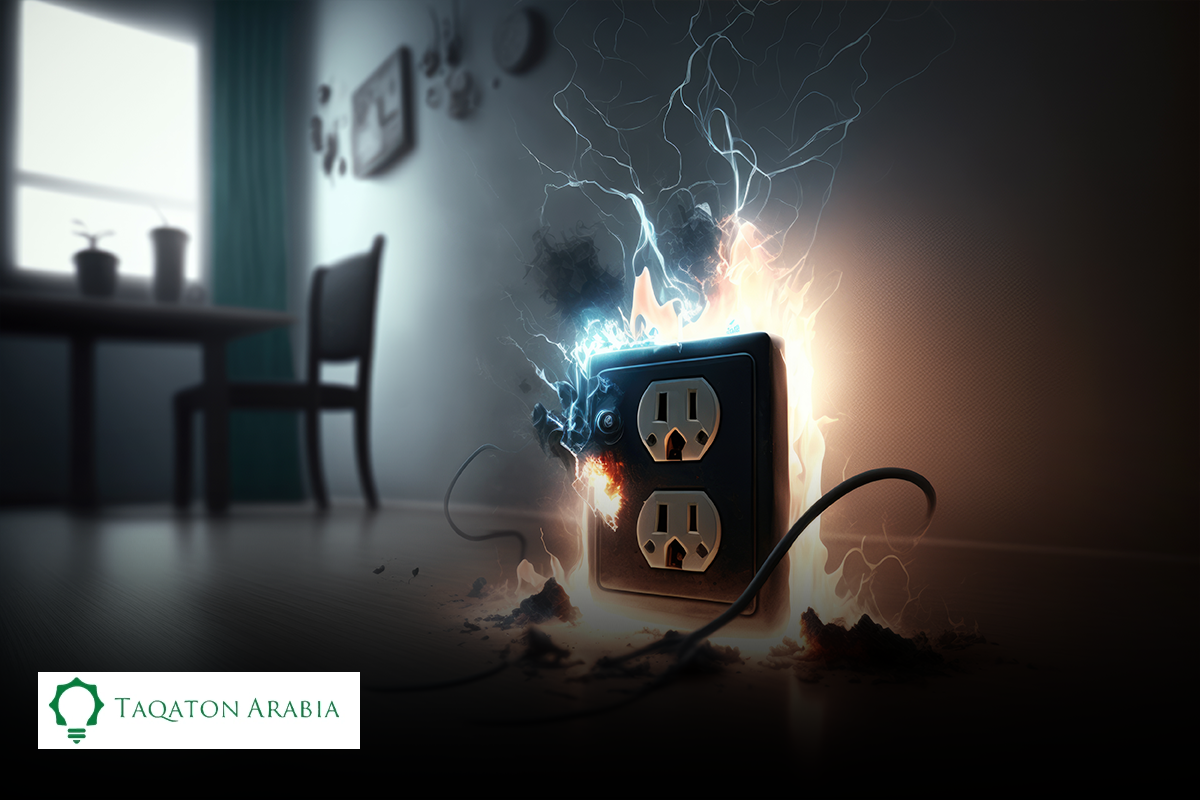
Electricity powers our homes and devices every day, but sometimes it can take a dangerous shortcut. This is called a short circuit. It happens when electricity flows along an unintended path with very low resistance, bypassing the normal route through appliances or wiring. The sudden surge of current can damage devices, create sparks, or even start fires.
Short circuits usually occur because of damaged wires, faulty insulation, loose connections, or contact with water essentially, anything that allows electricity to “cheat” its normal path. Understanding how and why they happen is the first step to keeping your electrical systems safe.
At Taqat Arabiya, we help you understand these risks and provide solutions to protect your electrical systems, ensuring safety and reliability in every home and business.
What is Short Circuit? Why Do Short Circuits Happen?
A SHORT CIRCUIT is an abnormal connection in an electrical circuit that allows current to flow along an unintended path, often bypassing the designed load. This sudden surge of current can cause excessive heat, damage electrical components, or even start a fire if not properly protected.
Short circuits happen for several reasons, such as damaged insulation on wires, loose or exposed connections, faulty devices, or contact between conductive parts that shouldn’t touch. They can also occur due to moisture, corrosion, or even physical damage to the circuit. Essentially, any situation that creates an unintended low-resistance path can trigger a short circuit.
Why is short circuit important in power system?
Understanding short circuits is extremely important in a power system because a SHORT CIRCUIT STUDY helps engineers assess the safety, reliability, and efficiency of electrical networks. Short circuits can cause massive current surges that damage equipment, trigger outages, and even create fire hazards.
By conducting a SHORT CIRCUIT STUDY، engineers can analyze potential short circuit scenarios and design protective devices like circuit breakers and relays to quickly isolate faults, minimizing damage and maintaining system stability.
In short, performing a SHORT CIRCUIT STUDY allows power systems to operate safely and reliably, protecting both equipment and people while ensuring the network remains stable under fault conditions.
Also Read: What Is an Arc Flash Study and Why Your Facility Needs One ?
Order the service now from Taqat Arabia website
Types of Short Circuits:
In electrical systems, short circuits can occur in several different ways, depending on which parts of the circuit come into contact. The main types of short circuits are:
- Line-to-Line (Phase-to-Phase) Short Circuit – This happens when two live wires of different phases touch each other, causing a high current flow between them.
- Line-to-Ground (Phase-to-Ground) Short Circuit – This occurs when a live wire comes into contact with the ground or grounded equipment, creating a dangerous current path.
Double Line-to-Ground Short Circuit – In this type, two live wires touch the ground simultaneously, combining the effects of line-to-line and line-to-ground faults.
- Three-Phase Short Circuit – All three live wires (phases) come into contact, either directly or through the ground. This is the most severe type and can produce the highest current surge in the system.
Each type has unique characteristics and consequences, and power system engineers must consider them when designing protection schemes to keep the system safe and stable.
Also Read: How Can You Detect Compressed Air Leaks with Taqat Arabiya?
Why Short Circuit is Dangerous?
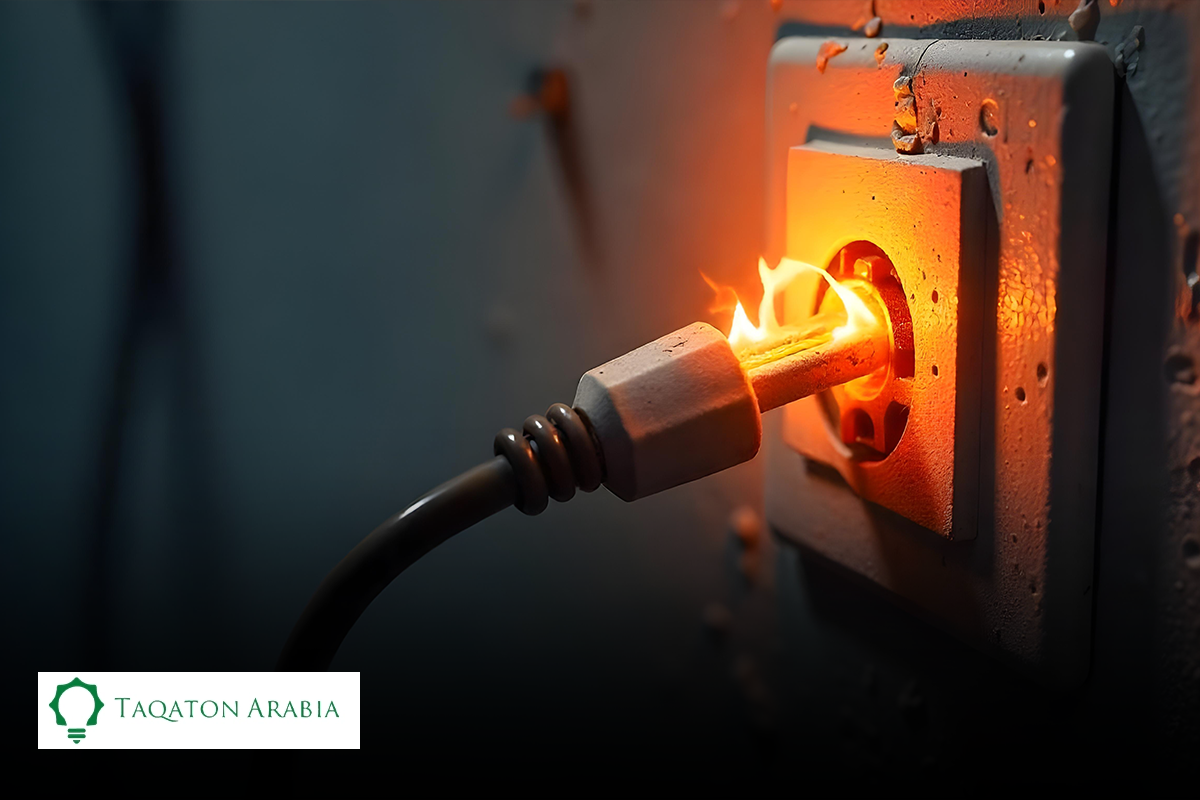
- Short circuits are dangerous because a SHORT CIRCUIT STUDY shows how uncontrolled surges of electrical current can damage equipment, start fires, and even cause injuries or fatalities. The sudden high current generates intense heat, which can melt wires, damage insulation, and ignite nearby materials.
- Beyond physical damage, conducting a SHORT CIRCUIT STUDY helps engineers understand how short circuits can disrupt the stability of power systems, leading to blackouts or equipment failure. That’s why protective devices like fuses, circuit breakers, and relays are essential—they detect short circuits and isolate the faulty section before severe damage occurs.
- In short, performing a SHORT CIRCUIT STUDY highlights that a short circuit is not just a technical fault; it’s a serious safety hazard that can affect both people and property.
Short Circuit Study
Order the service now from Taqat Arabia website
How to Prevent Short Circuits
Preventing short circuits is essential to keep electrical systems safe and reliable. Some key ways to prevent short circuits include:
- Proper Insulation – Ensure all wires and cables have high-quality insulation and are free from damage or wear.
- Regular Maintenance – Inspect electrical equipment, connections, and wiring periodically to detect loose or corroded parts.
- Avoid Overloading Circuits – Do not connect more devices than a circuit can safely handle, as overloading increases the risk of faults.
- Use Protective Devices – Install fuses, circuit breakers, and surge protectors to automatically cut off power if a short circuit occurs.
- Keep Electrical Systems Dry and Clean – Moisture, dust, and corrosion can create unintended paths for electricity, increasing short circuit risk.
- Professional Installation – Always rely on qualified electricians for wiring and repairs to ensure correct connections and grounding.
- By following these precautions, you can significantly reduce the risk of short circuits, protecting both equipment and people.